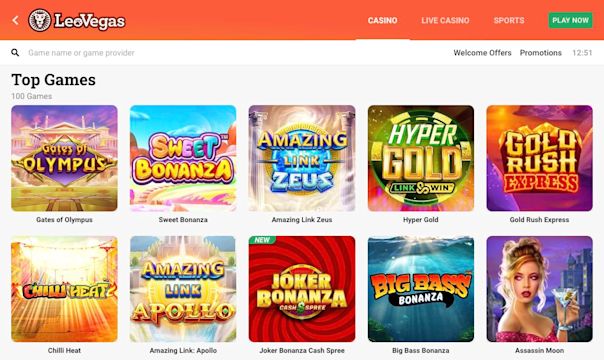
Why Digital Gambling Platforms Are Surging in Popularity

Discover the Thrill of Playing at the Best Online Casino
online casino

Online casinos have revolutionized the gambling industry by offering a vast array of games from slots to live dealer tables, accessible anytime from your device. They provide a secure and regulated environment for real-money play, often featuring lucrative bonuses and rapid payouts. Understanding the licensing and game fairness is essential for a safe and enjoyable experience.

Why Digital Gambling Platforms Are Surging in Popularity

The first time old man Chen logged onto the digital gambling platform, he was just looking for a way to kill a rainy afternoon in his retirement. What he found was a world that never closed its doors. Unlike a casino, this place didn’t demand a drive downtown or a crisp shirt. It lived inside his phone, glowing with neon promise at 2 AM when the world was quiet. This convenience, paired with the platform’s relentless use of player retention algorithms, kept him spinning reels through the night. Each win triggered a cascading sound of victory, each loss was softened with a free bonus. He wasn’t just placing bets; he was being guided through a perfectly engineered loop by personalized gamification elements. The line between entertainment and edge vanished, leaving only the glow of the screen and the whisper of the next spin.

Convenience and 24/7 Access Driving Player Engagement

The rapid rise of digital gambling platforms is driven by unprecedented convenience and technological integration. Online casino growth is fueled by mobile accessibility, allowing users to wager anytime via smartphones. Features like live dealer games, instant deposits via cryptocurrencies, and AI-driven personalized promotions create a seamless, immersive experience. Additionally, aggressive marketing through sports sponsorships and social media ads normalizes this activity for younger demographics. The COVID-19 pandemic accelerated adoption, as land-based venues closed and lockdowns increased digital engagement. This shift reflects broader societal comfort with virtual transactions and entertainment. These factors combine to make digital gambling a persistently dominant sector in the entertainment economy.

The Role of Mobile Optimization in Capturing New Audiences

Digital gambling platforms are booming because they offer unmatched convenience and instant access right from your phone or laptop. The rise of real-time online casino games means you can get that same thrill as a physical casino without ever leaving your couch. Add in flashy graphics, live dealer interactions, and easy payment options like crypto, and it’s a recipe for rapid growth. Players also enjoy:
– 24/7 availability, no dress codes, or travel time.
– Generous sign-up bonuses and loyalty rewards.
– A huge variety of games, from slots to live blackjack.
All these factors make digital platforms a go-to for anyone craving fast, engaging entertainment.

How to Evaluate a Trustworthy Betting Site

To evaluate a trustworthy betting site, begin by verifying its licensing and regulatory status with a recognized authority like the UK Gambling Commission or the Malta Gaming Authority. Security measures such as SSL encryption and clear privacy policies are essential for protecting your data. Assess the site’s reputation through independent user reviews and forums, noting any history of delayed payments or unfair terms. Scrutinize the terms and conditions, particularly around bonuses, wagering requirements, and withdrawal limits. A reliable site offers transparent, published odds and prompt customer support via multiple channels. The presence of third-party audit seals, such as eCOGRA, can further indicate a fair gaming environment. Finally, confirm that the platform promotes responsible gambling tools, like deposit limits and self-exclusion options, as this reflects a commitment to user safety. Regulatory compliance remains the single most critical factor in determining a site’s trustworthiness.

Licensing Authorities and Regulatory Compliance

To identify a trustworthy betting site, start by verifying its licensing through reputable regulators like the UK Gambling Commission or Malta Gaming Authority, ensuring legal accountability. Check for robust SSL encryption to protect your financial data and personal details. Next, scan user reviews and expert forums for consistent feedback on payout speeds and dispute resolution. A reliable platform displays clear terms, including withdrawal limits and bonus wagering requirements, without buried clauses.

Look for these key markers of trust:

  • Independent audits (e.g., eCOGRA) confirming game fairness.
  • Multiple banking options with no hidden fees.
  • 24/7 live support responding promptly.

A dynamic site also offers volatile betting markets and competitive odds, but never compromise security for flashy features. Always test their customer service before depositing—real-time help signals commitment to your experience.

Secure Payment Methods and Fast Withdrawal Times

Evaluating a trustworthy betting site begins with verifying its licensing and regulatory status, which is your primary legal safeguard. A legitimate operator will display its license number from a reputable authority like the UK Gambling Commission or Malta Gaming Authority. Next, scrutinize the site’s security with SSL encryption and check for independent fairness audits from eCOGRA or iTech Labs. Examine user reviews across multiple platforms, focusing on withdrawal speeds and customer support responsiveness. Transparent terms regarding bonuses and betting rules are non-negotiable; avoid vague or predatory fine print. Finally, assess the payment methods and data protection policies to ensure your financial information is handled securely. Only proceed when these pillars of trust are clearly and verifiably in place.

Fair Play Certification and RNG Audits

To evaluate a trustworthy betting site, first verify its licensing by a recognized authority like the UK Gambling Commission or Malta Gaming Authority. Check independent site audits for fairness certification, such as eCOGRA or iTech Labs. Next, assess security; look for SSL encryption (padlock in the URL) and clear privacy policies. Scrutize payment options—reliable sites offer major cards, e-wallets, and bank transfers with transparent withdrawal times. Read user reviews on forums like Reddit or Trustpilot, but watch for fake ratings. Finally, test customer support via live chat or email; a quick, helpful response signals reliability.

  • License & Regulation: Confirm official licensing body and search for any fines or warnings.
  • Security & Fairness: SSL encryption and third-party game audits are non-negotiable.
  • Reputation: Cross-reference user feedback across multiple platforms.

Q&A:
Q: Is a welcome bonus a sign of a trustworthy site?
A: Not no deposit bonuses necessarily. High bonuses often come with strict wagering requirements. Always read the terms before depositing.

Top Game Categories That Keep Players Coming Back

Online multiplayer shooters and open-world RPGs dominate the list, as they offer endless replayability through competitive matches and sprawling sandboxes. Battle royales keep the adrenaline pumping with unpredictable loot and shrinking zones, while survival games challenge you to build, craft, and fend off threats in persistent worlds. Roguelikes reward failure by unlocking new perks each run, making every session feel fresh. Meanwhile, sandbox titles like *Minecraft* let you goof off with friends, building anything from a tiny shack to a massive castle. Simulation games, from farming to city-building, scratch that Zen-like itch of constant progress. And don’t forget live-service brawlers—regular updates and seasonal events mean you always have a reason to hop back in. Ultimately, it’s that mix of social pressure, skill growth, and ever-evolving content that hooks us. Whether you’re grinding for a rare skin or exploring a new continent, these categories understand the secret: keep the loop tight, and players will stick around.

Slot Machines: From Classic Reels to Progressive Jackpots

The neon hum of a casino floor fades into the background for many players, but the promise of a “next big win” keeps them anchored to their screens. At the heart of this magnetic pull lie top online slots with high RTP, offering not just spins, but narratives. A simple fruit machine transforms when its reels unlock a free-spins round, the clatter of cherries morphing into a digital avalanche of wilds. Other categories thrive on direct input: Table games, like blackjack, give players a hand in their fate, the tension of a 21 hitting against the dealer’s face card. Live dealer games then bridge worlds—a real dealer shuffling cards in a studio, the click of a chip felt through a stream. Each category offers a unique hook: the slot’s dream, the table’s strategy, the live game’s human touch.

Key categories that sustain player loyalty:

  • Video Slots: Feature-rich with bonus buys and progressive jackpots.
  • Blackjack & Roulette: Skill-based decisions meet rapid-fire rounds.
  • Live Casino: Social interaction with real-time streaming dealers.
  • Crash Games: High-risk, instant-result multipliers for adrenaline seekers.

Q&A: *Why do players return to slots over other games?* They value the immersive theme and the “near-miss” effect—a close call on a jackpot triggers the brain’s reward system, making the next spin irresistible.

Table Games: Blackjack, Roulette, and Baccarat Variations

Certain genres cast an almost magnetic pull, drawing players back session after session. Battle royale and extraction shooters create high-stakes stories where every match writes a new, unpredictable chapter of triumph or defeat. The tension of being the last one standing or escaping with precious loot scratches a primal itch for survival and cleverness, making the next drop or raid impossible to resist. This loop of risk and reward is fueled by constant updates and seasonal challenges that keep the world feeling alive.

Beyond the adrenaline of competitive firefights, other categories hook players with different kinds of promises. Open-world RPGs offer sprawling digital homes to explore at their own pace, while live-service games constantly dangle new cosmetic rewards and narrative hooks. These design philosophies work because they tap into core human drives: the desire for mastery, the thrill of discovery, and the comfort of a persistent community.

online casino

  • Roguelikes & survival games deliver endless procedural variety, ensuring no two runs feel identical.
  • Multiplayer social sims become cozy gathering places for friends, evolving alongside their player base.

Live Dealer Experiences: Bridging Physical and Digital Play

Action-packed shooters and battle royales dominate player retention through adrenaline-fueled competition. These games deliver instant gratification with fast reflexes, headshots, and ever-shrinking safe zones, where every match feels unique. Players return for the promise of victory royales and the constant evolution of weapon metas. Open-world RPGs hook players with sprawling landscapes and endless quests, allowing deep character customization and moral choices that shape entire narratives. The allure lies in discovering hidden caves, mastering skill trees, and procedurally generated loot that keeps each playthrough fresh. Meanwhile, strategic multiplayer games thrive on asymmetric gameplay and ranked ladders, where mastering complex tactics or outsmarting opponents fuels an addictive climb. Build-order optimization, team coordination, and clutch comebacks create a loop that feels rewarding every time.

online casino

Maximizing Rewards Without Breaking the Bank

Maximizing rewards without breaking the bank hinges on strategic spending rather than high volume. Focus on using a single rewards credit card for all routine purchases like groceries and gas, paying the balance in full each month to avoid interest charges. This approach allows you to build points or cash back on necessary expenses only. Sign-up bonuses often provide the highest return, but they require meeting a minimum spend threshold that should fit your natural budget. Pair this with a loyalty program for a retailer you already frequent, stacking discounts and points. Avoid opening multiple cards or chasing offers that encourage unnecessary purchases, as this erodes value. For smart budgeting, treat rewards as a bonus, not an excuse to overspend, ensuring financial stability remains your primary goal.

Welcome Bonuses vs. No-Deposit Offers: What to Choose

Smart gamers maximize rewards without breaking the bank by focusing on free-to-play events and daily challenges. Strategic in-game spending targets only high-value battle passes or limited-time bundles, avoiding impulsive purchases. Top techniques include:

  • Stacking bonuses from loyalty programs and seasonal rewards.
  • Completing all free quests before considering real-money options.
  • Trading or crafting excess loot instead of buying new items.

This approach turns every hour of play into progress, not cost—proving that budget-conscious players can still earn top-tier gear and currency. The thrill comes from knowing your victory was earned, not just bought.

Loyalty Programs and VIP Tiers for Regular Users

You don’t need to spend a fortune to get killer perks from your credit cards and shopping apps. The trick is stacking bonuses—like pairing a 5% cash-back category with a store’s coupon code. Maximize credit card rewards by paying off your balance in full every month, so interest never eats into your gains. For groceries, check if your store offers a loyalty program; often you’ll earn double points just by scanning a card. Even a small, intentional strategy can turn everyday purchases into free flights or statement credits. To get started:

  • Set up autopay to avoid late fees.
  • Use one card for recurring bills to hit spend thresholds.
  • Track sign-up bonuses without overspending.

Wagering Requirements: Decoding the Fine Print

To maximize credit card rewards without overspending, treat points as a bonus, not a goal. Pay your balance in full each month to avoid interest charges that erase any value. Choose a card that matches your largest spending categories—like groceries or gas—rather than chasing a high sign-up bonus you can’t organically meet. Strategic category stacking works well: use a dining card when eating out and a flat-rate card for everything else. Avoid annual fees unless the perks (like free checked bags or airport lounge access) surpass the cost. Stack loyalty programs like supermarket-fuel partnerships, but never buy items solely for points. Consistently review your statement to ensure fees don’t cut into your earnings.

Strategies for Bankroll Management in Digital Wagering

Effective bankroll management is the cornerstone of sustainable digital wagering. The most critical rule is to set a strict budget you can afford to lose, treating it as an entertainment expense rather than an investment. Dividing your total funds into smaller units, often called “units,” prevents you from chasing losses with a single, reckless bet. A common strategy is the 1-5% rule, where you only risk a tiny percentage of your bankroll per wager, protecting your capital during inevitable losing streaks. Adopting this disciplined approach transforms wagering from a dangerous gamble into a calculated, long-term activity. By sticking to these principles, you maintain control and ensure the experience remains exciting, even in the face of volatility, which is essential for sustainable wagering success.

Setting Loss Limits and Time Boundaries

Effective bankroll management in digital wagering hinges on a strict, predetermined budget allocation, separate from essential living expenses. A foundational strategy involves the fixed percentage method, where you wager only a small, consistent fraction—typically 1% to 5%—of your total bankroll per bet. This approach mitigates the risk of catastrophic loss during losing streaks. Adhere to these core rules:

  • Never chase losses by increasing bet sizes.
  • Set daily, weekly, and monthly loss limits.
  • Withdraw a portion of any net profits regularly.

By enforcing discipline with these parameters, you protect your capital and ensure the activity remains sustainable over the long term.

Choosing Volatility Levels That Match Your Style

Effective bankroll management in digital wagering hinges on treating your funds as a business capital, not disposable income. The most critical strategy is establishing a **strict budget for gambling** that you can afford to lose, separating it entirely from bills or savings. Seasoned bettors recommend the fixed-percentage method, risking only 1-3% of your total bankroll per single wager. This ensures you survive losing streaks without depleting funds. Another key tactic is setting clear win and loss limits for each session; stop playing after hitting a pre-determined loss threshold or a specific profit goal. Never chase losses by increasing bet sizes, as this accelerates ruin. Crucially, avoid using credit or borrowed money, which eliminates rational decision-making. Regularly review your transaction history to identify patterns or impulsive bets. Adhering to these principles transforms wagering from reckless gambling into a disciplined, sustainable endeavor where the primary focus remains on long-term capital preservation over short-term thrills.

Avoiding Common Pitfalls in High-Stakes Play

In the world of digital wagering, a player named Jake learned quickly that reckless bets were a fast track to an empty account. He discovered that effective bankroll management is the cornerstone of longevity. By dividing his total funds into small, fixed units—never risking more than 2% per wager—he insulated himself from devastating losses. He also set strict daily loss limits, stopping play the moment he hit them, which prevented emotional chasing. A key part of his routine was maintaining separate accounts for gambling and living expenses, ensuring his rent was never on the line. *This discipline transformed wagering from a desperate gamble into a calculated, sustainable game of patience.* Jake’s story proves that mastering one’s bankroll is the only true winning edge in the digital wilds.

Navigating Legal and Regulatory Landscapes Globally

Navigating legal and regulatory landscapes globally demands a proactive, intelligence-driven strategy that transforms compliance into a competitive advantage. Businesses must contend with divergent frameworks, from GDPR in Europe to evolving data sovereignty laws in Asia, making global regulatory compliance a non-negotiable pillar of international expansion. A confident approach involves embedding legal due diligence into market entry planning, leveraging local expertise to anticipate shifts like anti-corruption enforcement or digital trade tariffs. Firms that master this complexity reduce costly litigation risks and unlock new revenue streams by demonstrating trustworthiness to partners and regulators. Cross-border legal strategy thus becomes less about reactive adherence and more about agile foresight, enabling organizations to scale while maintaining operational integrity across jurisdictions.

Jurisdictions Where Remote Gambling is Fully Legalized

Navigating legal and regulatory landscapes globally means understanding that what flies in one country could land you in hot water in another. You’ve got to juggle data privacy laws like GDPR in Europe, anti-bribery rules like the FCPA in the U.S., and local employment codes that vary wildly. Cross-border compliance management is non-negotiable for any scaling business. A solid strategy usually involves:

  • Mapping out each country’s key regulations before you enter.
  • Partnering with local legal experts who know the unwritten rules.
  • Building flexible internal policies that adapt fast to new laws.

It’s not about memorizing every statute, but about having a system to pivot quickly. Smart companies treat legal hurdles as a way to build trust, not just as red tape to dodge.

How Black Markets Affect Safe Online Play

Navigating global legal and regulatory landscapes demands agility as firms contend with diverse compliance frameworks, from GDPR in Europe to evolving data sovereignty laws in Asia. Cross-border regulatory strategy hinges on proactive risk assessment, often requiring local counsel to interpret nuanced labor, tax, and environmental mandates. Companies must deploy robust monitoring systems to track shifting sanctions lists or anti-corruption statutes, as non-compliance can trigger severe penalties. Success relies on integrating legal intelligence into operational workflows—whether through automated contract review or real-time regulatory alerts. Marked by constant change, this terrain rewards those who blend legal rigor with business speed, turning compliance complexity into a competitive advantage.

Age Verification and Responsible Gaming Tools

Navigating global legal and regulatory landscapes demands a proactive, intelligence-driven strategy to mitigate risk and unlock cross-border opportunities. Firms must decode disparate frameworks—from GDPR in Europe to evolving data sovereignty laws in Asia—to ensure compliance without stifling innovation. Strategic global compliance frameworks are essential, integrating real-time monitoring of sanctions lists, trade controls, and environmental standards. Key challenges include:

  • Harmonizing conflicting employment and tax laws across jurisdictions.
  • Managing anti-corruption protocols like the UK Bribery Act and FCPA simultaneously.
  • Adapting to rapid shifts in digital asset and AI governance.

Success hinges on deploying localized expertise with centralized oversight, turning legal complexity into a competitive advantage. Companies that master this balance not only avoid penalties but also build trust with regulators and consumers worldwide, positioning themselves as resilient leaders in an increasingly scrutinized marketplace.

Technological Innovations Shaping the Industry

The current industrial landscape is being fundamentally reshaped by a wave of technological innovations at an electrifying pace. At the core of this revolution lies the integration of Artificial Intelligence and the Internet of Things, creating smart factories where machines predict failures and optimize production flows autonomously. This digital transformation is not just an upgrade; it’s a complete reimagining of efficiency, driven by powerful data analytics that unlock previously invisible insights. Meanwhile, sustainable practices are being propelled by green tech, from energy-harvesting sensors to circular manufacturing models, redefining material use and waste reduction for a competitive edge in a changing world.

Cryptocurrency Payments and Blockchain Transparency

Right now, the industry is buzzing with game-changing tools that are redefining how work gets done. Automation and AI-driven analytics are leading the charge, letting businesses predict trends and streamline operations like never before. Cloud computing enables teams to collaborate from anywhere, while the Internet of Things (IoT) connects machinery for real-time monitoring and maintenance. Key shifts include:

  • Edge computing for faster data processing at the source.
  • Digital twins that simulate production lines to cut waste.
  • Blockchain for secure, transparent supply chains.

Even smaller players are leveraging these tools to compete with giants. Companies who ignore this shift risk falling behind fast, but those adapting early unlock serious efficiency gains.

Virtual Reality Casinos: The Next Frontier

The industry is undergoing a radical transformation driven by breakthroughs in automation, AI, and connectivity. Intelligent automation and real-time data analytics now allow companies to predict maintenance needs, optimize supply chains, and personalize customer experiences at unprecedented scale. Robotics and the Internet of Things (IoT) merge physical and digital operations, while edge computing reduces latency for critical decisions. Blockchain is revolutionizing transparency in transactions, and generative AI accelerates product design and content creation.

Adopting these technologies is no longer optional—it is the primary differentiator between market leaders and those falling behind.

To stay competitive, firms are focusing on:

  • Deploying AI-driven predictive tools
  • Integrating IoT sensors for live asset tracking
  • Utilizing cloud-native platforms for scalability

AI-Driven Personalization for Game Recommendations

Technological innovations shaping the industry are rewriting the rules of competition. Consider the quiet hum of a factory floor where artificial intelligence predicts maintenance minutes before a failure occurs, saving millions. Meanwhile, blockchain turns opaque supply chains into transparent, unbreakable chains of trust, each transaction sealed against fraud. This isn’t incremental improvement; it’s a fundamental shift in how value is created. These tools don’t just optimize old processes—they create entirely new business models. For instance:

  • Digital twins simulate entire operations, allowing risk-free testing of radical changes.
  • Edge computing processes data in milliseconds, enabling real-time decisions on the factory floor.
  • 5G networks link thousands of sensors, creating a nervous system that reacts faster than any human.

Mobile vs. Desktop Experience for Bettors

For a bettor glued to a commute, the mobile experience is a lifeline to live odds and instant bets, the pressure of a last-minute wager executed with a thumb’s tap. Yet, juggling multiple games on a tiny screen often feels like a frantic scramble, a far cry from the comprehensive betting platform that unfolds on a desktop. At home, the larger monitor transforms the act into a ritual: you study form guides across stacked tabs, compare hundreds of markets in a single view, and execute complex parlays without the claustrophobia of a cramped interface. That deeper analysis, free from distractions, provides a tactical edge that mobile’s speed can’t replicate. Ultimately, the choice is a trade-off between the seamless user experience of efficiency and the luxury of full control, each telling a different story of how a bet is placed and a game is won.

Native Apps Versus Browser-Based Play

Mobile betting platforms offer unparalleled convenience, allowing users to place wagers from any location, though smaller screens can hinder detailed analysis. Desktop interfaces excel for in-depth research, providing larger displays for statistics, multiple open tabs, and complex betting slips. The optimal betting experience depends on user preference and context.

Speed and reliability of the connection often matter more than the device itself for live betting.

Key differences include:

online casino

  • Portability: Mobile is superior for quick, on-the-go bets; desktop is better for extended sessions.
  • Interface: Desktop offers richer data visualization; mobile prioritizes simplified navigation and touch controls.
  • Features: Desktop often provides more advanced analytical tools and cash-out options, while mobile emphasizes push notifications for live events.

Touchscreen Optimization and Gesture Controls

For modern bettors, the choice between mobile and desktop hinges on context and convenience. Mobile betting offers unparalleled flexibility, allowing you to place wagers from anywhere, with features like push notifications for live odds and quick deposits. Desktop platforms, however, excel in multitasking and data analysis, providing larger screens to study complex statistics and manage multiple betting slips simultaneously. Always prioritize site speed and security, regardless of your device choice.

  • Mobile Advantage: Portability, live in-play betting, and biometric authentication.
  • Desktop Advantage: Better data visualization, stable connections, and comprehensive account management tools.

Cross-Device Synchronization and Account Flexibility

For bettors seeking speed and convenience, the mobile experience has decisively overtaken the desktop. While desktops still offer superior screen real estate for complex multi-bet slips and deep statistical analysis, mobile platforms win on immediacy and location freedom. The marginal edge in processing power on a PC rarely justifies the loss of mobility. Mobile-first betting platforms now dominate the market, allowing punters to place wagers instantly from a stadium seat or a commute. Choose desktop only for intricate in-play charting; choose mobile for every other scenario that demands real-time action and zero latency.

online casino

Customer Support and User Experience Essentials

The moment Sarah’s payment failed, the clock started ticking. A seamless user experience meant her frustration should never have begun, but the real test lay in customer support’s response. Within sixty seconds, a live agent appeared, acknowledging her issue before she could retype it. They didn’t just reset her password; they listened, validated her urgency, and guided her through the fix in two steps. That rapid, human-centered rescue turned a lost sale into a loyal user. It proved that no matter how sleek the interface, the bond between brand and customer is forged in those seconds of empathy and precision. When support becomes the safety net for design flaws, every interaction reshapes trust—the ultimate SEO-friendly asset for retention.

Live Chat Response Times and Multilingual Staff

Great customer support and user experience (UX) go hand in hand. When a product is intuitive, users rarely need help, but when they do, responsive customer support is a crucial retention driver. A smooth UX means fewer frustrations, but support teams must still offer quick, human solutions for the inevitable issues. Think of it this way: UX prevents problems, while support solves the rest. To nail both, focus on:

  • Clear, self-service FAQs so users find answers fast.
  • Empathetic, jargon-free replies from support agents.
  • Easy-to-navigate interfaces that reduce confusion.

When support and UX sync up, you build trust and keep users coming back.

Self-Help Resources and FAQ Quality

Effective customer support is the backbone of a frictionless user experience, directly influencing retention and brand loyalty. To elevate UX, prioritize proactive communication and self-service resources. Omnichannel support integration ensures users receive consistent help across email, chat, and social media, reducing frustration. Essential tactics include:

  • Offering a searchable knowledge base for instant answers.
  • Using chatbots for tier-1 queries, with seamless escalation to human agents.
  • Collecting post-interaction feedback to refine workflows.

Every interaction must be a problem-solving event, not a handoff. Train teams to use positive language and resolve issues within the first contact whenever possible. When executed well, support becomes a competitive advantage, building trust and converting casual users into loyal advocates.

Dispute Resolution Channels for Fair Treatment

When a user hits a wall, their frustration can curdle into silence—the worst kind of feedback. Great customer support doesn’t just fix the glitch; it reweaves trust by listening before acting. User experience essentials prioritize proactive clarity to prevent that wall from existing in the first place. Imagine a novice baker fumbling with a complex app; a swift, empathetic chat agent who guides them step-by-step transforms their panic into pride. That small act of patience often saves a long-term relationship. The smartest design reduces the need for support, but the sharpest support elevates the whole experience when design falls short.

Future Trends in Digital Wagering Entertainment

Future trends in digital wagering entertainment point toward hyper-personalized, immersive experiences driven by AI and blockchain. Expect AI-driven predictive analytics to tailor game suggestions and betting limits in real-time, while decentralized platforms enhance transparency via smart contracts. The integration of augmented and virtual reality will transform passive viewing into interactive, venue-like environments, particularly for live sports wagering. Beyond traditional casinos, “skill-based wagering” and predictive fantasy games on esports will dominate. However, responsible gaming tools, such as mandatory session timers and AI behavioral monitoring, will become standard regulatory features as market growth continues to attract scrutiny.

Q&A: Expert Insight
Q: Will cryptocurrency replace fiat in this space?
A: Not entirely. While crypto offers anonymity and lower fees for cross-border play, regulatory pressures will keep fiat options mandatory. The future is a hybrid, with stablecoins bridging the gap.

Skill-Based Games Attracting Younger Demographics

The hum of anticipation shifts as digital wagering entertainment evolves beyond simple screens. Soon, immersive virtual casinos will let players walk through neon-lit halls from their living rooms, while AI personalizes every bet in real-time. Blockchain ensures transparent payouts, erasing doubts about fairness. This new era isn’t just about chance—it’s about crafted experiences. Immersive virtual casino gaming is becoming the heartbeat of the industry.

Social Gambling and Community Features

The future of digital wagering entertainment hinges on hyper-personalization, where AI tailors gaming experiences to individual behavioral patterns in real-time. This evolution will be defined by seamless integration of virtual and augmented realities, creating immersive casinos accessible from home. Blockchain-based wagering platforms will drive trust through verifiable transparency and decentralized control over funds. Key developments include:

  • Skill-based wagering on e-sports and predictive analytics for live events.
  • Micro-wagering integrated into streaming platforms and social games.
  • Zero-intermediary smart contracts that automate payouts instantly.

“The most critical shift is moving from reactive betting to proactive, algorithm-driven recommendation systems that prevent problem gambling.

Regulatory sandboxes will test these innovations, balancing revenue growth with harm reduction protocols. Expect frictionless, multi-currency digital wallets to broaden global access.

Integration with Esports and Fantasy Sports

The next frontier in digital wagering entertainment will be defined by immersive realism and unparalleled personalization. AI-driven predictive betting platforms will analyze user behavior and live statistics in real-time, offering dynamic odds and hyper-personalized wagering suggestions. Expect virtual reality (VR) casinos to become mainstream, allowing users to walk through photorealistic digital lobbies and interact with live dealers in 3D. Blockchain technology will ensure provably fair outcomes and instant, secure payouts, eliminating traditional verification delays. This evolution will see traditional sportsbooks merging with esports and fantasy leagues, creating a unified, interactive ecosystem where every second of a live event offers a new betting opportunity.

The Mechanics of Real-Time Gaming

Experience the Thrill of Real Time Gaming in a Live Casino
live casino

Step into the electric atmosphere of a live casino, where real dealers, genuine tables, and instant streaming bridge the gap between your screen and the gaming floor. You can interact with professional croupiers in real-time, placing bets on classic blackjack, roulette, or baccarat while feeling the authentic thrill of a brick-and-mortar venue from anywhere at all.

The Mechanics of Real-Time Gaming

Real-time gaming mechanics operate on a tightly synchronized loop where player input, server processing, and visual rendering occur within milliseconds. At its core, the game loop continuously updates game states—character positions, physics, and AI behavior—while a rendering engine draws the resulting frame. Client-server architecture is critical: the server maintains the authoritative state, validates actions, and broadcasts updates to all players. To reduce perceived latency, techniques like client-side prediction, entity interpolation, and lag compensation are employed, especially in competitive titles. Tick rate—how often the server updates—further influences responsiveness. These systems ensure that actions like shooting or jumping feel immediate, even under network constraints.

Q: What is tick rate in real-time gaming?
A: Tick rate is the frequency (in Hz) at which a game server updates its state. Higher tick rates (e.g., 128 Hz) allow for smoother, more precise gameplay but require more bandwidth and processing power.

How Digital Streams Replicate the Brick-and-Mortar Experience

Every millisecond in real-time gaming is a chaotic ballet of data. Your button press doesn’t just make a sword swing; it fires a matchmaking algorithm that searches for a balanced opponent, while your client predicts the attack locally to mask the inevitable lag. The server, the final arbiter of truth, then reconciles thousands of such inputs, enforcing physics and rollback netcode to correct any discrepancy it finds. The result is a seamless illusion of immediate action, built on a foundation of constant, rapid calculation.

Key Roles of Dealers, Cameras, and Optical Recognition

Real-time gaming hinges on the relentless, synchronous processing of player inputs and server logic, often at 60 ticks per second. The core mechanic involves a deterministic loop where the game state is updated, rendered, and communicated continuously. Latency management is the critical barrier to competitive integrity, as even milliseconds of delay can determine outcomes.

In professional play, frame-perfect execution is not a luxury—it is the baseline requirement for viability.

Key technical pillars include client-side prediction to mask lag, server authoritative reconciliation to prevent cheating, and interpolation to smooth visual updates. Master these throughput pipelines to avoid rubber-banding and desync errors.

Understanding the Random Number Generator vs. Physical Cards

In the heart of every real-time game, a relentless loop pulses—the game engine cycles through input, logic, and rendering in milliseconds. Low latency mechanics dictate whether a player feels godlike or lagged. Each frame, from a twitch shooter to a strategy title, processes player commands alongside AI routines and physics calculations. That split-second delay between a button press and a sword swing can decide victory or defeat. The hidden hero is the server tick rate, which synchronizes actions across the network, while client-side prediction smooths out the gaps. This continuous dance between precision and speed creates the illusion of a seamless, living world.

Popular Table Games in a Streaming Environment

In the fast-paced world of online streaming, popular table games have found a massive new audience. Viewers don’t just watch for the gameplay; they tune in for the electric atmosphere, the charismatic hosts, and the thrill of unpredictable outcomes. Streamers often dive into intense rounds of blackjack, where every hand decision feels like a high-stakes gamble, or the spinning wheel of roulette, which can turn a small bet into a major win in seconds. Poker remains a staple for its strategic depth and dramatic “bluff” moments, while baccarat offers a simpler, faster-paced alternative that’s easy to follow. These games are the core of many channels, creating a shared experience between the streamer and their chat, making each deal of the cards or spin of the wheel a communal event full of hype and hilarious reactions.

Blackjack Variations with Side Bets and Infinite Players

Under the glow of a thousand chat messages, the felt of a virtual blackjack table becomes a digital stage. Here, a streamer’s “hit” or “stay” pivots on the edge of collective anxiety, a high-stakes drama where every card flip is a shared gasp. This is the pulse of the streaming environment, where live casino entertainment transforms table games into interactive spectacles. The wheel of roulette spins as viewers scream “red” in unison, while dealers—broadcasting from plush studios—banter with a loyal community. Craps tables erupt with emoji confetti, and baccarat unfolds like a whispered conspiracy. These games thrive not on solitary luck, but on the electric tension of a thousand eyes watching one decisive moment.

Roulette Wheels From Classic European to Lightning Rounds

Live streaming has completely changed how we enjoy popular table games like blackjack, roulette, and baccarat. Instead of sitting at a physical table, you can now watch professional streamers or play along in real-time, with interactive chat making every hand or spin feel social. Interactive live dealer games are the main draw here, offering a direct way to bet and chat. You’ll often see streamers focusing on high-roller blackjack or speed roulette, reacting hugely to every win or loss.

Baccarat Squeeze and Speed Versions for High Rollers

live casino

Live streaming has revolutionized how audiences experience popular table games, turning classics like Blackjack and Roulette into high-energy spectacles. The emergence of interactive live dealer technology allows streamers to engage viewers in real-time, showing no kyc casino card hands and wheel spins with cinematic flair. These digital tables create a sense of community, where chat-driven decisions can alter the flow of a hand. Dynamic camera angles and instant replays amplify the thrill, making each blackjack bust or roulette color win feel like a shared victory. From lightning-fast Poker showdowns to unique game show hybrids, the streaming environment transforms traditional table play into a vibrant, participatory sport for millions of global viewers.

Game Show Formats That Blur Entertainment and Gambling

live casino

Game shows have gotten clever at blurring the line between pure entertainment and outright gambling. Take high-stakes quiz formats like “Who Wants to Be a Millionaire,” where the “lifeline” system feels like placing a bet, or more recent shows like “The Wall,” where contestants literally drop balls onto a pegboard to multiply cash, creating a dopamine hit similar to a slot machine. On streaming platforms, interactive shows let viewers gamble on outcomes in real-time, while programs like “Deal or No Deal” rely entirely on probability and nerve—no skill required. The house almost always wins, but the thrill keeps you watching. These formats cleverly package risk-taking as entertainment, making you feel like a player rather than a spectator, especially when cash prizes hinge on random chance rather than knowledge.

Wheel of Fortune Spins With Multipliers and Bonus Rounds

While classic game shows like “The Price Is Right” reward skill and luck with prizes, a new breed blends quiz thrills with high-stakes gambling mechanics. These formats, where contestants can risk winnings for a chance at exponential growth, are blurring the line between entertainment and betting. Game show gambling hybrids are reshaping television excitement. Shows like “Deal or No Deal” and “Cash Cab” use a “banker” or timed pressure to force players to decide between a safe payout and a risky gamble for more, mimicking casino adrenaline. More recently, “Winning Time” and “The Wall” have introduced direct wagering elements, letting contestants bet against the house on trivia or luck. This fusion demands viewers question if they’re watching a game or a legalized bet. Critics argue these formats normalize risk-taking for vulnerable audiences, while producers celebrate their intense, unscriptable drama. Regardless, the lines are now permanently smudged.

Monopoly and Deal or No Deal Themed Interactive Concepts

Game show formats increasingly blur the line between entertainment and gambling through mechanics like risk-based wagering, variable prizes, and elimination stakes. Shows such as Deal or No Deal and Who Wants to Be a Millionaire? require contestants to bet winnings on uncertain outcomes, mimicking casino player behavior. Other formats, like The Price Is Right’s “Showcase Showdown,” incorporate spin wheels or random multipliers that mirror slot-machine volatility. This convergence of luck and skill raises regulatory and ethical questions. A few key elements common to these hybrids include:

  • Randomized prize pools or “banker” offers
  • Contestant choice to “cash out” or risk further play
  • High-stakes elimination rounds with binary outcomes

“The emotional arc of a contestant risking accumulated capital for an uncertain reward directly parallels problem gambling triggers.”

The result is a format where audience engagement depends on suspense about chance, not just trivia or performance.

Dice-Based Shows Offering Instant Payouts and Community Play

Modern game shows have masterfully blurred the line between pure entertainment and high-stakes gambling, creating a thrilling new hybrid format. Shows like *Deal or No Deal* and *Who Wants to Be a Millionaire?* force contestants to make calculated risks with real money on the line, where a single wrong decision can wipe out a hard-won cash prize. This tension is amplified by the use of “double-or-nothing” mechanics, hidden prize ladders, and the psychological pressure of a live studio audience. The core hook is that players are not just answering trivia; they are actively wagering their accumulated wealth. Risk-reward entertainment is the driving force, transforming passive viewing into an edge-of-your-seat experience. As one producer noted, the key is to “make the audience feel the sting of a bad bet as if it were their own.”

“The hardest part isn’t knowing the answer—it’s knowing when to stop.”

This format often relies on these core elements to maintain its grip:

  • Progressive Jackpots: The prize pool grows with each correct answer or successful risk, mimicking slot machine psychology.
  • Live Wagering: Contestants must commit to a decision without full information, a direct parallel to poker or blackjack.
  • Prize Ladders with a “Banker”: A random or game-show-host figure who offers buyouts, forcing the player to weigh a sure thing against a gamble.

live casino

Technology Driving Immersion and Trust

Technology is the engine driving unprecedented levels of both immersion and trust in digital experiences. By leveraging hyper-realistic graphics, spatial audio, and haptic feedback, platforms forge believable worlds that eradicate skepticism. For instance, AI-powered voice synthesis and real-time language translation dissolve barriers, fostering seamless cross-cultural exchange. This sensory and functional fidelity is what transforms a casual user into a loyal participant. Crucially, blockchain and verifiable credential systems directly build digital trust and security, ensuring that every asset, identity, and transaction within an immersive environment is transparent and tamper-proof. When a system feels real and operates with provable integrity, users surrender doubt and engage fully. This fusion of deep simulation and immutable assurance is the future of all online interaction, making immersive technologies the gold standard for genuine connection.

High-Definition Multi-Angle Cameras for Transparent Play

Modern technology builds immersion by leveraging real-time interactivity and haptic feedback, which synchronize user actions with digital environments to eliminate perceptible lag. Predictive analytics and blockchain verification foster trust by ensuring data integrity and transparent provenance, crucial for virtual commerce. Key technological drivers include:

  • AI-driven adaptive narratives that respond to user choices
  • Biometric authentication for secure, seamless logins
  • Photorealistic real-time rendering erasing visual dissonance

For sustained engagement, prioritize latency reduction below 20ms and implement zero-knowledge proofs to protect user data without compromising personalization. This dual focus on physiological presence and cryptographic assurance creates an ecosystem where users both feel and believe.

Chat Functions and Dealer Interaction for Social Engagement

Technology is the engine behind how we build both immersion and trust in digital spaces, and it’s reshaping everything from gaming to online shopping. Immersive technology like VR and spatial audio pulls you into a world so convincingly that your brain forgets it’s fake, creating deeper emotional connections and longer engagement. On the flip side, trust hinges on seamless, transparent tech—think instant load times, secure payment gateways, and clear AI-generated content labels that tell you exactly what’s real. When these two forces work together, a user doesn’t just feel present in an experience; they feel safe enough to invest their time and money. It’s a balancing act: raw spectacle without reliability feels gimmicky, while cold security without wonder feels sterile.

Mobile Optimization and Responsive Touch Controls

In the modern digital ecosystem, technology is the primary engine driving both immersion and trust. High-fidelity graphics, spatial audio, and responsive haptics create virtual environments so convincing that users suspend disbelief, fostering deep emotional engagement. Simultaneously, blockchain and encryption technologies build user trust through transparent verification, ensuring data integrity and secure interactions. Key technological pillars include:

  • Real-time rendering engines for seamless, lifelike environments.
  • Biometric authentication for secure, personalized experiences.
  • Decentralized ledgers that provide immutable proof of ownership.

This synthesis of sensory realism and verifiable security transforms passive viewers into active, loyal participants.

Q: How does immersion technology directly increase trust?
A: By making every interaction feel authentic and secure—such as a retail VR space where you can “hold” a product—users trust the brand’s quality and the system’s reliability, reducing purchase anxiety.

Strategies for Choosing a Platform

When selecting a platform for digital content, begin by auditing your target audience’s primary online habitats. Evaluate each platform’s native algorithm and content format preferences, such as short-form video versus long-form articles. SEO optimization is critical; choose a platform that supports metadata control and search indexing to improve discoverability. Consider long-term scalability regarding monetization tools, analytics depth, and user engagement features. Additionally, analyze competitor presence to gauge market saturation. Prioritize platforms with robust integration capabilities for cross-channel promotion. Platform authority can amplify reach, so weigh established networks against emerging, niche communities. Ultimately, align your choice with your content lifecycle and technical resources to ensure sustainable growth.

Evaluating Game Variety and Software Providers

When picking a platform for your content, start by figuring out where your audience actually hangs out and what vibe they’re after. Choosing the right digital platform for your target audience means you avoid shouting into the void—you want to meet people where they already scroll. A quick checklist can help you narrow things down:

  • Audience habits: Are they watching TikToks, reading longform on Substack, or browsing product reviews on Amazon?
  • Content format: Does your best stuff work as quick videos, images, or in-depth articles?
  • Your goals: Need brand awareness, direct sales, or community building? Each platform prioritizes different outcomes.

Don’t stretch yourself thin—test one or two platforms first, track what sticks, then double down on what gets real traction. A focused strategy always beats being everywhere half-heartedly.

Checking Licensing, Certifications, and Fairness Audits

Selecting the right platform requires evaluating your primary goals, audience behavior, and technical constraints. Align platform capabilities with business objectives is a fundamental strategy for maximizing reach and efficiency. First, analyze where your target demographic spends their time, as user age and interests vary significantly between networks like LinkedIn and TikTok. Next, consider the nature of your content: visual products thrive on Instagram, while in-depth articles perform well on Medium or a dedicated blog. Budget is another key factor, as paid advertising costs differ widely across platforms. Finally, review each platform’s analytics and SEO tools to ensure they support your growth and measurement needs.

Key decision factors often include:

  • Audience Demographics: Match platform user statistics to your customer profile.
  • Content Format: Assess whether short video, long-form text, or images suit your message.
  • Engagement Style: Decide if you need direct messaging, comments, or broadcasting.
  • Cost & Resources: Compare organic reach potential against paid promotion necessity.

live casino

Q: How often should I reassess my platform choice?
A: Review quarterly, or immediately after a major algorithm update or shift in your business model.

Bonus Offers Tailored for Table Game Enthusiasts

Selecting the right platform requires a clear assessment of your audience demographics and content format. Choosing the right platform for your audience involves evaluating where your target users spend their time and how they consume media. Key considerations include platform scalability, available analytics tools, and integration capabilities with existing systems. For example:

  • Social media: Prioritize visual platforms for short-form video or image-heavy content.
  • Blogging: Choose platforms with robust search engine optimization features and comment moderation.
  • E-commerce: Focus on secure payment gateways and mobile-responsive templates.

Always test initial engagement metrics before committing to a single ecosystem. Avoid platforms with limited customization or high hidden costs.

Modern Betting Features and Side Options

Modern betting platforms now integrate live in-play wagering and cash-out options, which let you secure profits or minimize losses before an event concludes. Smart sportsbooks also offer enhanced odds and build-a-bet tools, allowing you to combine multiple selections with custom stakes for higher potential returns. For savvy players, exploring accrual benefits like reload bonuses and VIP cashback can extend bankroll longevity. Side markets such as player performance stats, corner counts, and correct score props provide strategic depth beyond traditional win/loss lines. Always compare implied probabilities across operators to identify value, and use responsible betting limits to manage risk effectively. These features, when used selectively, elevate informed decision-making rather than impulsive action.

Behind-the-Scenes Bets on Dealer Cards or Community Results

The digital betting arena now hums with features that turn a simple wager into a living, breathing game. You no longer just pick a winner; you can cash out early to lock in profits mid-match, sidestepping a last-minute heartbreak. I once watched a friend’s bet swing wildly on a football pitch, and with one tap, he secured his winnings before the other team equalized. Side options like “build-a-bet” let you stitch together a custom parlay, while player props dive into who will take the first corner kick. These tools give back a sliver of control, transforming passive watching into an active, strategic dance with the odds.

Auto-Play Settings and Betting Limits for Different Bankrolls

Modern betting platforms now offer dynamic in-play wagering, allowing you to place bets after a match has started, with odds adjusting in real-time. A critical betting strategy involves evaluating cash-out features, which let you secure a profit or minimize a loss before an event concludes. Popular side options include accumulator boosts for increased payouts and “both teams to score” (BTTS) markets. For experienced users, player-specific props, such as total goals or assists, provide deep analytical opportunities. Always review the specific terms for each side bet, as conditions like void rules and maximum payouts vary significantly by bookmaker.

Statistics and History Tools to Inform Decision-Making

Modern betting platforms have evolved far beyond simple win-or-lose wagers, now offering a dynamic, game-like experience. You might place a live bet on a soccer match, only to see the odds shift in real-time as a star player is subbed on, letting you cash out for a profit before the final whistle. For deeper engagement, in-play wagering and micro-betting let you predict the next corner kick or exact set score. Side options add another layer, such as building a custom parlay with player stats—like a basketball guard hitting three three-pointers and five assists—or using a “bet builder” to merge markets. These features turn passive viewing into an interactive narrative, where every dunk or foul carries the thrill of a potential payout.

Responsible Engagement in a High-Stakes Environment

In high-stakes environments, responsible engagement is the critical bridge between pressure and peak performance. It demands a deliberate shift from reactive urgency to strategic calm, where every action is filtered through a lens of accountability and situational awareness. This means actively listening to dissent, validating risks without amplifying panic, and anchoring decisions in shared objectives rather than individual ego. The most effective teams thrive by fostering psychological safety while maintaining an unyielding focus on mission-critical outcomes. By balancing transparency with discretion, and initiative with protocol, professionals transform chaotic volatility into calculated progress—ensuring that bold moves are never reckless, and that resilience becomes a system, not just a sentiment.

Time Management and Session Reminders for Players

In the dim glow of the war room screens, analyst Mira knew one wrong keystroke could tip a fragile peace. High-stakes decision-making demanded she anchor every action in verified data, not panic. She cross-checked intelligence against three independent sources, pausing to breathe before each report. Her team followed a strict protocol: verify, communicate, escalate.

“A single unverified detail can cascade into irreversible consequences,” she reminded the junior analyst beside her, whose hands trembled over the keyboard.

  • Verify through multiple channels to prevent single-point failures.
  • Communicate with clarity—ambiguity is a liability in crisis.
  • Escalate concerns early; silence misreads as consent.

Mira’s steady focus reminded everyone that responsibility wasn’t just about speed—it was about choosing precision over impulse, even when the world was watching.

Deposit Controls and Self-Exclusion Mechanisms

In high-stakes environments, responsible engagement means balancing bold action with calculated restraint. This demands acute situational awareness, where every decision can trigger cascading consequences. Navigating high-pressure scenarios requires emotional discipline and a commitment to transparent communication, ensuring all stakeholders understand the risks. A responsible actor prioritizes the mission’s integrity over personal ego, using hard data to filter noise from genuine threats. They actively seek diverse perspectives to avoid blind spots, but cut off non-essential debates when time is critical. Crucially, they know when to pause: a momentary check can prevent a catastrophic chain reaction.

True leadership in a crisis isn’t about moving fast—it’s about moving right.

They also establish clear accountability loops, ensuring every action has a measured, directly traceable outcome that protects the team and the larger objective.

Recognizing Signs of Problematic Behavior in Fast-Paced Settings

In the pressure-cooker of a negotiating room where a billion-dollar deal hung by a thread, the lead partner didn’t lean on aggression. Instead, he slowed the tempo, grounding every volatile exchange in evidence and mutual respect. Responsible engagement in high-stakes environments demands this kind of disciplined restraint. It means actively listening to decipher emotional signals, not just words, and separating personal ego from the problem at hand. When a counterpart’s voice rose in frustration, he paused the session to reframe the shared goal, transforming a potential breakdown into a breakthrough. The final agreement owed nothing to luck and everything to a deliberate process built on humility, factual anchors, and the quiet courage to prioritize the relationship over the immediate win.

Navigating the Digital Wagering Landscape

Discover the Best Online Casino for Real Wins in 2025

For players seeking a secure and thrilling experience, identifying the top online casino involves evaluating trusted licenses, generous bonuses, and fast payouts. The best platforms offer a vast library of premium slots, live dealer games, and seamless mobile compatibility to ensure non-stop entertainment. Discover where high-quality gaming meets reliable service for an unbeatable wagering journey.

Navigating the Digital Wagering Landscape

Successfully navigating the digital wagering landscape requires a sharp focus on responsible online gambling practices. Start by verifying a platform’s licensing with a reputable regulatory body, such as the UKGC or MGA, to ensure fair play and fund security. Implement strict personal budgets and time limits, treating betting as paid entertainment rather than a revenue source. Utilize built-in tools like deposit caps and reality checks, and always avoid chasing losses. For sustained success, treat the process like strategic asset management: analyze odds, specialize in specific sports or markets, and maintain meticulous records of your wagers. The most prudent approach involves betting only sums you can afford to lose, with awareness that the house edge invariably applies over time. Regularly assess your habits to ensure they remain a controlled hobby, not a financial risk, making sustainable betting strategies your foundational priority.

Licensing Authorities and Regulatory Legitimacy

Mastering the digital wagering landscape demands a sharp focus on platform legitimacy and bankroll discipline. Strategic bankroll management remains the cornerstone of sustainable online betting. The modern bettor must verify licensing, compare odds across multiple sites, and utilize responsible gaming tools to avoid pitfalls. Success hinges on data-driven decisions rather than impulse.

Only those who treat betting as a calculated investment, not a gamble, consistently profit.

Key strategies include:

  • Prioritizing licensed, audited operators.
  • Setting strict loss limits before each session.
  • Analyzing line movements for value opportunities.

By adhering to these rules, you transform chaos into control.

Security Protocols: Encryption and Fair Play Certification

The digital wagering landscape can feel like a sprawling, neon-lit city where every corner promises a jackpot. I learned this the hard way my first week, wandering into a flashy site that looked legitimate but had buried withdrawal fees. The key is to treat every click like a crossing guard’s signal: pause, scope out the exits, and never chase a lost bet. Responsible bankroll management turned my adrenaline into a steady rhythm. One hard lesson sticks:

Set a loss limit before you start—not after your balance blinks zero.

Now, I vet sites for licensing, read the fine print on bonuses, and log out when the buzz fades. That’s how you navigate this digital rush without losing your wallet—or your wits.

Decoding Game Selections and Software Powerhouses

Decoding game selections requires a nuanced understanding of both developer pedigree and technical performance. When evaluating a software powerhouse like Rockstar Games or CD Projekt Red, look beyond hype to examine their engine architecture, as proprietary systems like RAGE or REDengine often dictate graphical fidelity and open-world density. An expert prioritizes titles that leverage these custom-built tools effectively, as they typically offer superior optimization and unique gameplay mechanics unattainable on generic engines. The true art lies in identifying which powerhouses consistently deliver immersive gaming experiences through iterative refinement of their core technology, rather than flashy marketing. For instance, a studio’s commitment to real-time ray tracing support or advanced physics simulation can significantly extend a game’s longevity and replay value.

Q&A: Why do some powerhouse studios fail despite strong tech? Often due to scope creep; their engines become too complex to manage, leading to buggy launches. Always check for post-launch engine updates and modding tool accessibility.

Slot Variations: From Classic Reels to Progressive Jackpots

The most reliable path to decoding game selections involves analyzing launch metrics and developer pedigree. Video game release schedules are now dominated by software powerhouses like Electronic Arts, Ubisoft, and Take-Two, whose release cadence dictates market trends. These industry leaders leverage deep financial reserves and proprietary engines to produce polished titles that dominate consumer attention. Their mastery of audience psychology, combined with iterative sequels, creates a near-unshakeable grip on the AAA landscape, making independent successes rare exceptions that require viral community support to break the cycle.

Table Game Diversity: Blackjack, Roulette, and Baccarat Variants

The landscape of modern gaming is defined by the strategic interplay between savvy player choice and immense technical infrastructure. Decoding game selections requires analyzing mechanics, narrative depth, and community longevity, steering clear of hype-driven purchases. Understanding software powerhouses is equally critical, as their specialized engines and optimization techniques directly dictate graphical fidelity, loading speeds, and multiplayer stability.

  1. Player Strategy: Focus on session length, genre preference, and modding potential.
  2. Engine Dominance: Unreal Engine 5 and custom engines (e.g., id Tech) create distinct performance ceilings.

Your hardware is only as potent as the code that drives it; a weak engine can cripple top-tier specs.

From AAA giants leveraging proprietary software to indie studios using Unity for rapid prototyping, the software arm of gaming defines the achievable experience. Master these layers, and you master the market.

Live Dealer Experiences: Streaming Quality and Interaction

Picking your next great play doesn’t have to feel like guessing. Smart players zero in on decoding game selections by checking reviews, watching raw gameplay, and noting the studio’s track record. Software powerhouses like Bethesda, Rockstar, or indie darlings like Supergiant often deliver consistent quality, but even giants stumble. Look for patterns: a studio that prioritizes polish over hype usually wins your loyalty.

The real trick is trusting your gut more than the trailer—flashy cutscenes don’t equal fun mechanics.

Before you buy, scan for red flags: crunch-heavy studios, broken launches, or microtransaction traps. A quick check on community forums or Steam discussions tells you more than any official reveal. Once you know who’s behind the curtain, your backlog stays exciting, not disappointing.

Maximizing Value Through Bonus Structures

Optimizing a bonus structure is a strategic imperative for driving sustained growth, not merely a cost. A well-designed system directly influences high-value behaviors, linking rewards to specific metrics that propel revenue and retention. By layering milestone bonuses on top of performance thresholds, you create a powerful incentive for teams to exceed targets and unlock greater profitability. This approach ensures that every payout generates a measurable return, transforming compensation into a tool for scaling operations. Maximizing value through bonus structures requires aligning incentives with core business objectives, reinforcing a culture of high performance. When executed effectively, these frameworks become self-funding, as the increased output from motivated employees far outweighs the initial investment, delivering a sustainable competitive advantage. The result is a lean, ambitious organization where every reward drives exponential growth.

top online casino

Welcome Incentives: Match Deposits and Free Spins Breakdowns

Effective bonus structures transform transactional exchanges into long-term partnerships by aligning incentives with performance. Strategic bonus allocation drives measurable customer retention. Structuring bonuses as tiered rewards—such as escalating payouts for higher spending or loyalty milestones—ensures each participant sees clear, attainable value. Common elements include:

  • Percentage-based cashback on cumulative purchases
  • Exclusive access to premium features after reaching thresholds
  • Time-limited multipliers to accelerate engagement

When designed with transparent criteria, these mechanisms minimize churn while maximizing lifetime value.

“The best bonus structures feel earned, not given—creating psychological ownership of the incremental reward.”

Neutral calibration prevents margin erosion while sustaining participant motivation, turning periodic bonuses into a predictable growth lever.

Loyalty Programs: Cashback, VIP Tiers, and Reload Offers

Smart bonus structures transform compensation from a fixed cost into a powerful performance lever. By tying rewards directly to key outcomes—like sales targets, project completions, or customer retention—businesses ignite a culture of high achievement. Performance-based incentives align individual effort with strategic company goals, ensuring every dollar spent drives measurable growth. The most effective designs blend immediate, small wins for motivation with larger, milestone-based payouts to sustain long-term focus. Consider these core elements for maximum impact:

  • Clear, transparent metrics employees can track daily
  • Tiered rewards that escalate with surpassing targets
  • Team bonuses to foster collaboration without stifling individual drive

When crafted dynamically, bonus plans become a self-funding engine, generating returns that far exceed their cost. This approach doesn’t just pay for results—it actively creates them.

Banking Methods and Transaction Efficiency

The old bank teller, a man named Elias, had seen paper checks move like molasses in winter. But then the world shifted. Now, a farmer in Nebraska sends digital funds to a buyer in Osaka with a thumbprint, the real money payid pokies in australia  transaction clearing in seconds. Electronic wires and ACH networks have replaced the leather ledger, but the true revolution is in real-time payment rails. These systems bypass the overnight batch processing of yore, settling debts instantly. For businesses, this means cash flow that doesn’t wait; for you, it means splitting a dinner bill before the waiter returns. This invisible speed, this frictionless exchange of value, is the new heartbeat of commerce, powered by transaction efficiency that turns “the check is in the mail” into a relic of a slower era.

E-Wallet Speed: PayPal, Skrill, and Neteller Processing Times

Modern banking methods prioritize transaction efficiency through digital channels like wire transfers, ACH payments, and real-time payment systems such as RTP or FedNow. These platforms significantly reduce settlement times, often processing retail transfers in seconds versus traditional multi-day delays. Real-time payment processing is a key advancement, enabling instant fund availability for consumers and businesses. Key features improving efficiency include:

  • Reduced manual intervention via automated clearing systems.
  • Enhanced security protocols that streamline verification.
  • API integrations connecting banking apps directly to merchant systems.

Overall, these innovations minimize latency, lower transaction costs, and improve cash flow management, making financial operations faster and more predictable.

top online casino

Cryptocurrency Adoption: Bitcoin and Altcoin Wagering Options

Banking methods have evolved significantly, prioritizing transaction efficiency through digital channels like mobile apps, wire transfers, and ACH payments. These systems reduce processing times from days to seconds for domestic transfers, while international options like SWIFT or SEPA still require intermediary checks, often taking 1–3 business days. Real-time payment rails like FedNow or UPI minimize settlement delays. Key factors influencing speed include:

  • Verification layers (biometrics, 2FA)
  • Transaction size and regulatory holds
  • Banking infrastructure (legacy vs. cloud-based)

Payment speed is less about technology and more about balancing fraud prevention with user convenience.

Consumers often sacrifice slight delays for enhanced security, though instant payment adoption is rising. Efficiency gains also come from automated reconciliation and API-driven integrations, reducing manual errors. Overall, modern banking aims to make transactions seamless, yet cross-border frictions remain a challenge for full optimization.

top online casino

Withdrawal Thresholds and Payout Speed Comparisons

Modern banking methods have revolutionized transaction efficiency, shifting from slow legacy systems to near-instantaneous digital rails. The rise of Real-Time Payments (RTP) and open banking APIs enables funds to clear in seconds, not days, slashing settlement latency for both consumers and businesses. Key drivers include streamlined Automated Clearing House (ACH) upgrades, blockchain-based smart contracts for cross-border wires, and contactless card processing that cuts point-of-sale friction by over 40%. For high-volume enterprises, straight-through processing automates reconciliation, eliminating manual errors. This speed is matched by enhanced security layers like tokenization and biometric verification, ensuring rapid transfers don’t compromise asset protection. The result is a frictionless ecosystem where cash flow cycles tighten, operational costs drop, and user satisfaction spikes.

User Interface and Mobile Compatibility

User Interface and Mobile Compatibility are the twin pillars of modern digital success, dictating whether a visitor stays or bounces. A dynamic, intuitive interface transforms complex functionality into a seamless journey, with high-contrast elements and micro-interactions that guide the user. However, this design must fluidly adapt to the compact reality of smartphones. Mobile-first design ensures that touch targets are generous, load times are blistering, and navigation collapses elegantly into thumb-friendly menus. Ignoring this synergy creates friction, where pinch-zooming and awkward scrolling kill engagement. By prioritizing responsive layouts and gesture-based controls, brands capture the on-the-go audience, turning casual taps into loyal interactions. The result is an ecosystem where every pixel breathes, whether on a sprawling desktop or a pocket-sized screen.

Responsive Design vs. Native Apps: Performance on Smartphones

A seamless user interface is the cornerstone of any successful digital product, directly dictating user engagement and conversion rates. Mobile-first responsive design is no longer optional; it’s mandatory. Your interface must intuitively adapt across a spectrum of screen sizes, from compact smartphones to expansive tablets, ensuring core functionality remains unhindered. This requires thoughtful touch-target sizing, legible typography, and gesture-based navigation that feels native. Neglecting mobile compatibility alienates the vast majority of traffic, while a polished, adaptive UI builds immediate trust and reduces friction.

  • Prioritize thumb-friendly zones: Place critical actions within easy reach on smaller screens.
  • Optimize load speed: Compress assets to prevent data-heavy delays on cellular networks.
  • Simplify layouts: Eliminate clutter; focus on progressive disclosure for complex tasks.

Navigation Simplicity: Search Filters and Game Organization

A smooth user interface (UI) is the backbone of any app or site, making sure every tap and swipe feels natural. Mobile-first design ensures your content looks sharp on any screen. Without it, users get frustrated, and you lose them fast. Key factors include:

  • Responsive layouts that adapt to phones, tablets, and desktops
  • Touch-friendly buttons and navigation
  • Fast load times for slower mobile networks

Nobody wants to pinch-and-zoom just to read a single sentence. Prioritizing mobile compatibility means your audience can engage wherever they are, boosting retention and conversions without extra hassle.

Customer Support Accessibility and Quality

Customer support accessibility and quality are not optional extras but foundational pillars of brand loyalty and revenue. A truly accessible support system, spanning live chat, phone, email, and social media, ensures every user regardless of ability or time zone receives immediate help. This proactive approach directly reduces churn and builds trust. However, ease of access is meaningless without parallel rigor in quality. High-quality customer support is defined by first-contact resolution, deep product knowledge, and empathetic communication. When you combine universal accessibility with consistently excellent service, you create a powerful competitive advantage. This synergy directly fuels positive reviews and repeat business. Companies that invest in both facets see measurable gains in customer lifetime value. Do not accept compromises; demand a support system that is both effortlessly reachable and consistently brilliant.

Live Chat Responsiveness and 24/7 Availability

When Maria’s elderly father struggled to reset his hearing aid’s app, she called support dreading a maze of automated menus. Instead, a live agent answered within seconds, calmly guiding her through accessible customer support solutions designed for varying abilities. The agent offered text chat for her father’s written instructions, screen-sharing to visually highlight buttons, and a follow-up email with simplified diagrams. Maria realized true quality wasn’t just speed—it was empathy built into every channel: tools like TTY for deaf users, large-font documentation, and trained agents who patiently adjusted their pace. For her family, support finally felt like a bridge, not a barrier.

Multilingual Support and FAQ Depth

top online casino

Outstanding customer support hinges on universal accessibility paired with unwavering quality. Proactive accessibility compliance ensures every interaction, regardless of a user’s ability, is seamless and dignified. This includes offering multiple communication channels—such as live chat, voice, and text-based support—all optimized for screen readers and keyboard navigation. A truly accessible system does not compromise on speed or resolution; it delivers the same consistent resolution quality to all demographics. By implementing robust training for agents on assistive technologies and simplifying interface navigation, companies not only meet legal standards but also foster deep brand loyalty. When accessibility is built into the support framework from the ground up, quality becomes a guaranteed outcome, not a variable. This commitment transforms potential barriers into a distinct competitive advantage, proving that inclusive design is the highest standard of service.

Navigating Digital Wagering Venues

Your Ultimate Guide to Finding the Best Online Casino in 2024
online casino

Online casinos bring the thrill of the Las Vegas strip straight to your screen, offering a massive selection of slots, table games, and live dealer action. Whether you’re chasing a jackpot or just playing for fun, these platforms make it incredibly easy to play from your couch or on the go. With fast payouts and generous welcome bonuses, the modern online casino experience is built for both excitement and convenience.

Navigating Digital Wagering Venues

Navigating digital wagering venues requires a disciplined approach to both bankroll management and platform selection. Always prioritize licensed operators with robust encryption to protect your financial data security. Start by setting strict deposit limits and session timers to prevent chasing losses, as emotional betting undermines long-term success. Scrutinize wagering requirements on bonuses—low rollover percentages on slots often carry hidden restrictions. For live betting, close odds comparison across multiple sites can reveal value discrepancies. Stick to games with transparent RTP percentages, and periodically review your account history for unauthorized activity. Mastering these fundamentals transforms digital gambling from reckless chance into a calculated, risk-aware strategy for entertainment.

Licensing Bodies and Jurisdictional Safety Nets

Navigating digital wagering venues requires a sharp focus on platform legitimacy and personal limits. The sheer volume of online casinos and sportsbooks can overwhelm even seasoned players, so responsible bankroll management remains your most vital tool. Before depositing any funds, verify licensing information, read user reviews on independent forums, and test customer support responsiveness. A dynamic, secure experience hinges on these steps:

  • Check for SSL encryption and regulatory seals (e.g., MGA, UKGC).
  • Set strict deposit and time limits before you start playing.
  • Understand wagering requirements attached to bonuses.

Q&A
Q: How do I know if a site is safe?
A: Look for clear license numbers at the footer, positive long-term player feedback, and prompt withdrawal processing.

How to Verify a Platform’s Fair Play Certification

Navigating digital wagering venues demands a strategic approach to ensure both security and enjoyment. Responsible gambling practices are essential for maintaining control while leveraging these platforms effectively. Start by verifying a site’s licensing credentials through recognized regulatory bodies, as legitimate operators display this information prominently. Next, assess the payment ecosystem—prioritize venues offering encrypted transactions and multiple withdrawal options like e-wallets or cryptocurrencies for faster processing. Review game return-to-player (RTP) percentages, as higher rates directly impact your long-term value. Finally, set strict deposit limits and time alerts before engaging; many platforms now provide built-in tools for this. A well-researched approach transforms a risky pastime into a calculated entertainment choice, ensuring your experience remains both profitable and safe.

Decoding Game Mechanics and House Edges

When you dive into any game, you’re really just agreeing to a set of game mechanics that dictate every spin, card draw, or dice roll. The real trick is the house edge, which is the mathematical advantage built directly into those mechanics to ensure the casino or platform profits over time. For example, a classic slot machine might have a program that pays out only 95% of all wagered money, giving it a 5% edge. Understanding these odds helps you spot which games offer better value and which ones are designed purely for entertainment. By grasping how the numbers work behind the scenes, you turn every session from a lucky guess into an informed decision, making the whole experience way more engaging and less costly.

Random Number Generators and RTP Percentages

Step into any casino floor, and you’re not just playing a game—you’re engaging with a carefully engineered system. Behind the spinning reels and shuffling cards lies a hidden engine: game mechanics. Every slot reel, every card dealt, follows a statistical blueprint designed to ensure the operator wins over time. That invisible advantage is the house edge, a small percentage baked into every wager. On a European roulette wheel, that edge is exactly 2.7%; on a slot machine, it might be far steeper. Understanding these mechanics transforms a flashy spin into a calculated decision. Understanding casino odds reveals that luck isn’t random—it’s probability in disguise. The house edge isn’t meant to crush you in one hand, but to slowly tip the scales across thousands of plays.

Slot Volatility: Low, Medium, and High Variance Explained

Decoding game mechanics and house edges is essential for any serious player aiming to shift the odds in their favor. Every casino game, from blackjack to slots, operates on a built-in mathematical advantage that ensures the establishment profits over time. Understanding this casino advantage calculation reveals why certain bets are inherently riskier. For example, roulette’s single-zero wheel offers a house edge of approximately 2.7%, while the double-zero variant nearly doubles that to 5.26%. By comparing these percentages, players can deliberately choose games with lower edges. Mastering this knowledge transforms random gambling into a calculated strategy, directly influencing your bankroll’s longevity and potential for success.

Table Game Odds: Blackjack, Roulette, and Baccarat

Mastering the concept of the house edge in gambling is the first step toward informed play. Every casino game is built on a mathematical model where the odds inherently favor the operator. Decoding these mechanics means understanding how RTP (Return to Player) percentages translate into long-term results. For instance, a slot with a 96% RTP has a 4% house edge; this doesn’t predict short-term wins but does guarantee profit over millions of spins. Game mechanics like volatility, hit frequency, and bet structures further manipulate this edge. A low-volatility game offers frequent small payouts to stretch your bankroll, while high-volatility games risk longer dry spells for larger jackpots. Crucially, table games like blackjack allow players to reduce the house edge through strategy, while fixed-odds games remain static. Always verify the RTP before playing; it is the single most transparent metric for your expected loss rate. Never chase losses—the edge is designed to compound against chasing behavior.

Bonuses and Promotional Structures

Bonuses and promotional structures are the high-octane fuel for player retention and acquisition, transforming routine gameplay into a thrilling chase for value. From the instant gratification of a welcome match bonus that doubles a first deposit to the relentless rewards of a VIP ladder, these mechanisms are designed to create a palpable sense of momentum. Free spins, cashback offers, and reload bonuses weave a dynamic safety net, encouraging exploration of new slots or table games without the sting of full risk. The most successful operators craft a journey, not just a transaction, where every wager contributes to unlocking a new tier of perks, from personal account managers to exclusive event access. This fluid, evolving ecosystem keeps the experience fresh, rewarding loyalty while constantly tempting players with the next big windfall. Ultimately, a well-structured promotional calendar is the engine of sustained excitement, turning casual engagement into a dedicated, high-stakes adventure.

Welcome Packages vs. No-Deposit Offers

Effective bonus and promotional structures in modern business are designed to drive specific performance metrics without encouraging reckless behavior. Incentivized employee retention is best achieved through a tiered model that combines short-term cash bonuses for hitting quarterly targets with long-term equity or profit-sharing plans. Avoid flat-rate bonuses, as they often fail to motivate top performers. Instead, implement a scalable framework:

  • Performance tiers: Award 10% bonus for meeting baseline goals, 20% for exceeding by 15%, and 30% for top-tier results.
  • Dual-track promotions: Offer a technical track for specialists (with higher bonus caps) and a management track for leaders (with stock options).
  • Clear exit criteria: Publish the exact revenue or KPI thresholds required for each promotion level to build trust.

This balanced approach minimizes entitlement, rewards sustainable growth, and prevents the common pitfall of teams gaming a single metric for short-term gain. Always tie bonuses to both individual contribution and team-wide goals to foster collaboration.

Wagering Requirements and Fine Print Clauses

Casino bonuses and promotional structures are engineered to balance player acquisition with long-term house profitability. A welcome package typically includes a deposit match, but the real value lies in the wagering requirements—often 35x to 50x the bonus. Opt for low wagering offers to increase your withdrawal odds. Recurring promotions, such as reload bonuses, free spins, and cashback, reward loyalty but always come with game restrictions and time limits. The key to sustainable play is reading the fine print: compare multipliers, eligible games, and maximum bet caps to avoid voiding your bonus. Structured correctly, these mechanics can extend your bankroll without compromising your edge.

Loyalty Programs and Cashback Incentives

Bonuses and promotional structures are the secret sauce that keeps players engaged at online casinos. A well-designed welcome bonus, often a matched deposit, gives new users an immediate bankroll boost, while reload bonuses keep the action flowing for regulars. Free spins offers are a key driver for slot game engagement. These incentives often come with clear terms you should always check, including:

  • Wagering requirements – the number of times you must play through the bonus before cashing out.
  • Game restrictions – some games contribute less (or not at all) toward those playthrough conditions.
  • Time limits – you usually have a few days to meet the requirements or lose the bonus.

Loyalty programs and VIP tiers add another layer, rewarding consistent play with cashback, faster withdrawals, or exclusive event access. The best operators keep their promos simple and transparent—no hidden fine print, just a fair chance to stretch your play.

Payment Methods for Real-Money Play

When engaging in real-money play, selecting a secure and efficient payment method for online casinos is critical. Top-tier options include credit/debit cards (Visa, Mastercard) for instant deposits, e-wallets like PayPal, Skrill, and Neteller for fast withdrawals, and cryptocurrencies such as Bitcoin for enhanced privacy and low fees. Always verify that the platform uses SSL encryption and is licensed by a reputable authority. For high rollers, bank transfers are reliable but slower. Avoid unverified third-party processors. Remember, the best method balances speed, security, and your personal banking preferences.

Q: Which payment method offers the fastest withdrawal?
A:
E-wallets typically process withdrawals within 24 hours, while bank cards can take 2–5 business days. Cryptocurrencies often complete in under an hour.

online casino

Instant Banking Options: Cryptocurrencies and E-Wallets

For real-money play, selecting a secure payment method is paramount. The most reliable options include credit/debit cards, e-wallets like PayPal or Skrill, and direct bank transfers, each offering varying speeds and fee structures. The expert advice is clear: always prioritize platforms with SSL encryption and verified licensing to protect your funds. The key is to choose a method that balances instant access with robust security protocols.

Transaction speed and fees differ significantly. E-wallets typically process withdrawals within 24 hours, while bank transfers can take 3–5 business days. Credit cards often have lower deposit minimums but may incur cash-advance fees. Always read the fine print on transaction limits and any surcharges before committing to a deposit.

Never gamble with money you cannot afford to lose, and always verify that your chosen payment method offers full dispute protection.

Withdrawal Speed and Verification Hurdles

Real-money play demands secure, fast payment methods that prioritize player convenience and safety. Credit and debit cards remain the most widely accepted option, offering instant deposits and familiar transaction flows. E-wallets like PayPal, Skrill, and Neteller provide an additional layer of anonymity and speed, often processing withdrawals within hours. For privacy-focused users, cryptocurrencies such as Bitcoin and Ethereum deliver decentralized, low-fee transactions with near-instant settlement. Prepaid vouchers like Paysafecard allow strict budget control without linking to a bank account. Bank transfers are reliable for large sums but are slower. Always verify that your chosen platform supports your preferred method without excessive fees. Secure online casino payments are the backbone of a trustworthy gambling experience.

Currency Conversion Fees and Transaction Limits

When playing for real money, you’ve got plenty of quick and secure ways to fund your account. The most common choices include credit and debit cards like Visa or Mastercard, which offer instant deposits and are widely accepted. For faster withdrawals, many players turn to e-wallets such as PayPal, Skrill, or Neteller, which act as a buffer between your bank and the casino. Cryptocurrencies like Bitcoin are also gaining traction for their anonymity and near-instant transactions. Prepaid vouchers like Paysafecard are perfect for sticking to a budget, while bank transfers remain reliable but slower. Always check for transaction fees and processing times before choosing your go-to method.

Mobile Gaming Experience and Software Providers

The modern mobile gaming experience is defined by increasingly sophisticated hardware and diverse software ecosystems. Key leading mobile game developers like Unity, Unreal Engine, and proprietary SDKs from major publishers drive high-fidelity graphics and complex mechanics once exclusive to consoles. Software providers such as Tencent, NetEase, and Supercell deliver robust monetization models and live-service updates, shaping player engagement through battle passes and seasonal content. Cross-platform progression further blurs the line between mobile and traditional gaming. App stores and cloud gaming services now host thousands of titles, from hyper-casual puzzles to open-world RPGs, reflecting the industry’s rapid expansion. The technical reliability of these platforms directly impacts user retention, making stable server architecture and optimized battery performance critical for sustained success.

Native Apps Versus Browser-Based Platforms

The modern mobile gaming experience hinges on intuitive touch controls, seamless performance, and visually optimized,

Leading Developers: Microgaming, NetEnt, and Evolution Gaming

Mobile gaming has completely blown up, turning your daily commute into an arcade. The experience hinges on how well a game fits your lifestyle—short, snappy sessions for a quick win or deep, immersive worlds for longer plays. Optimized mobile game performance is the secret sauce, ensuring smooth graphics and no annoying lag on your device. Top software providers like Unity and Unreal Engine power these experiences, while publishers such as Supercell, King, and NetEase craft everything from brain-bending puzzles to massive battle royales.

“The best mobile games vanish whenever you have just five minutes to spare.”

These developers focus on intuitive touch controls and fast load times, because nothing kills a good game faster than a spinning wheel of death. Whether you’re into casual time-killers or competitive multiplayer, the choice is vast.

Touchscreen Optimization and Live Dealer Streams

The mobile gaming experience has evolved from casual time-fillers into a deeply immersive ecosystem, driven largely by the technical expertise of leading software providers. Optimizing performance across diverse device hardware remains the core challenge for these developers. Top-tier studios like Unity and Unreal focus their engines on delivering high-fidelity graphics and responsive touch controls, while specialized providers craft algorithms to minimize input lag. Key elements defining a premium experience include seamless cross-platform saves, robust anti-cheat systems, and battery-efficient rendering. Always test a game’s stability on devices with lower RAM before committing to a long session. Ultimately, the quality of your engagement depends directly best no deposit casino sites australia on how well the provider balances visual fidelity with consistent frame rates.

Responsible Wagering Tools and Player Protection

Responsible wagering tools are essential for fostering a safe and sustainable betting environment. Experts recommend that all players actively utilize features like deposit limits, time-out periods, and self-exclusion options to maintain control over their activity. Implementing these mechanisms is a core component of player protection, helping to prevent problem gambling before it starts. Modern platforms integrate reality checks and cool-down reminders to promote informed decision-making. By leveraging these tools, individuals can enjoy entertainment without financial or emotional harm. Betting operators have a duty to ensure that responsible gambling measures are visible and easy to use. Ultimately, safeguarding player well-being requires a proactive commitment from both the industry and the user, ensuring a balanced approach that prioritizes health over risk.

Setting Deposit Caps and Session Time Limits

As a player, the thrill of the game should never come at a hidden cost to your well-being. That’s why modern platforms now offer a safety net you can rely on, blending choice with care. With responsible wagering tools designed for real-time control, you can set your own limits on deposits, losses, and session time before you even place a bet. I’ve seen friends use these small, simple settings—like a cool-off break or a total loss cap—to turn a moment of impulse into a pause for clarity. Player protection isn’t about taking away the fun; it’s about making sure the fun stays in your hands, not the other way around.

Self-Exclusion Programs and Cooling-Off Periods

In the digital age, responsible wagering tools act as a player’s personal cockpit, offering controls that prevent the flight from veering into turbulence. Deposit caps, reality check pop-ups, and self-exclusion timers function like a co-pilot, ensuring the journey remains within safe boundaries. This system of player protection mechanisms empowers individuals to set their own guardrails before a single bet is placed.

The most effective tools include:

  • **Deposit Limits**: Pre-set daily, weekly, or monthly caps.
  • **Time-Outs**: Short breaks from betting, from 24 hours to six weeks.
  • **Self-Exclusion**: Permanent or extended bans from the platform.

These safeguards transform gambling from a blinkered sprint into a mindful marathon, where the thrill exists within a framework of conscious choice and personal safety.

Identifying Problem Gambling Red Flags

Responsible wagering tools help you stay in control while enjoying sports betting or online casino games. Features like deposit limits, session timers, and self-exclusion options are built right into your account settings—use them whenever you feel the need to take a step back. Player protection starts with you making smart choices and using these free tools to prevent gambling from becoming harmful. Many platforms also offer reality checks that pop up to remind you how long you’ve been playing. Remember, the goal is fun, not stress. If you ever feel overwhelmed, reach out to helplines like GamCare or Gambling Therapy—they’re free and confidential.

Common Q&A
Q: Do these tools affect my winnings if I use them?
A: No, they only limit how much time or money you spend—they don’t touch your existing balance or payouts.

Live Dealer Environments and Immersive Features

Step into a high-definition world where every shuffle, spin, and deal is beamed directly from a state-of-the-art studio. Live dealer environments shatter the barrier between digital and physical, placing you at a real table with a charismatic human host. These aren’t just video feeds; they are fully orchestrated sets with dynamic lighting and table rims that display game stats. Advanced camera rigs provide cinematic close-ups of the action, while immersive features like multi-angle views and real-time chat make you feel like a front-row VIP. Some platforms even offer a “behind-the-scenes” peek at the shoe or a super-slow-motion replay of a pivotal card reveal. For next-gen thrill, try a dedicated streaming pit where side bets and game show mechanics inject a pulse of chaos into classic rules.

Real-Time Interaction with Professional Croupiers

You enter a virtual casino that feels startlingly real, not a cold simulation. The live dealer greets you from a high-definition studio, shuffling real cards or spinning a genuine roulette wheel. This is the power of live dealer environments, where advanced streaming bridges the gap between your screen and a physical table. The experience is deepened by immersive features that pull you into the action. A multi-camera setup offers cinematic angles—one for the dealer, another for the felt—while built-in chat lets you exchange banter with the host. The sound of chips clicking and the dealer’s voice create a social, unbreakable atmosphere, making you forget you are not actually sitting at the table.

Game Show Variants and Bet Behind Options

Live dealer environments merge real-time streaming with physical casino setups, offering players interaction with human dealers via high-definition cameras. Immersive gameplay features often include multiple camera angles, chat functions, and customizable tables. Below are common elements:

  • High-quality video streams with minimal latency
  • Professional dealers in studio or land-based settings
  • Touchscreen betting interfaces synchronized with physical cards or wheels

Q: How do immersive features change the experience?
A: They create a sense of presence, blending remote convenience with social cues like dealer gestures and real-time game flow.

Streaming Quality and Betting Interface Integration

As the digital curtain rises, a real person dealing real cards from a studio thousands of miles away greets you, not an algorithm. Live dealer gaming platforms collapse distance into immediacy. The sound of shuffled chips, the soft hum of the studio, and seamless video feeds create a bridge between your screen and a brick-and-mortar floor. Multi-camera angles let you zoom on the roulette wheel’s spin or the blackjack dealer’s smile. Chat features allow whispered strategy or friendly banter, turning a solo session into a shared table. The immersion isn’t just visual; it’s a crafted atmosphere of trust and presence, where every dealer’s gesture feels personal. It’s a casino without the commute, a game without the loneliness.

Legal Landscape and Regional Regulations

The legal landscape governing data privacy, environmental compliance, and digital commerce is increasingly fragmented, forcing businesses to navigate a complex web of regional regulations. For instance, the European Union’s GDPR sets a high bar for consent and data portability, while California’s CCPA/CPRA imposes similar yet distinct rights on U.S. companies. Simultaneously, Asia-Pacific markets, such as Singapore and Japan, enforce strict cybersecurity frameworks, and the Middle East is rapidly developing sector-specific laws around financial technology. To remain compliant, organizations must prioritize regional regulatory mapping as a core operational strategy. Failure to align with these often-contradictory mandates can result in severe fines and reputational damage. Proactive audits and localized legal counsel are essential for managing cross-border data governance effectively in this dynamic environment.

US State-by-State Legality Breakdown

online casino

The legal landscape for digital assets and data privacy varies significantly across jurisdictions, with regional regulations creating a complex compliance environment for multinational entities. Regulatory fragmentation poses operational challenges for businesses seeking to standardize practices globally. Key regional developments include:

  • The European Union’s GDPR and MiCA framework, emphasizing user rights and stablecoin oversight.
  • The United States’ state-level patchwork, with New York’s BitLicense and SEC enforcement actions shaping market behavior.
  • Asia-Pacific’s divergent approaches, such as Singapore’s Payment Services Act and China’s strict crypto prohibitions.

These differing requirements compel firms to deploy localized legal teams, while ongoing international efforts like the FATF’s travel rule aim to harmonize anti-money laundering standards. Non-compliance risks include fines, licensing revocation, and reputational damage.

European Licensing: Malta, Gibraltar, and UKGC Standards

The legal landscape for digital assets and data privacy is shifting rapidly, with regional regulations creating a complex patchwork of compliance requirements. In the European Union, the Markets in Crypto-Assets (MiCA) framework sets a global benchmark for stablecoin oversight, while the General Data Protection Regulation (GDPR) imposes strict cross-border data transfer rules. Asia-Pacific markets like Singapore and Japan enforce rigorous licensing for exchanges, contrasting with China’s outright ban on crypto trading. Meanwhile, U.S. regulators struggle with fractured state and federal laws, leaving firms navigating a maze of SEC and CFTC jurisdictions. Navigating fragmented crypto compliance across jurisdictions demands real-time legal monitoring and adaptive strategies to avoid costly penalties.

  • EU: MiCA and GDPR lead the charge on asset and data regulation.
  • APAC: Singapore’s Payment Services Act v. China’s blanket prohibition.
  • Americas: U.S. state-by-state licensing vs. Brazil’s unified crypto law.

Q: Are my NFTs subject to securities laws in the U.S.?
A: Possibly, if they function as investment contracts under the Howey Test—the SEC’s aggressive stance means utility NFTs often face scrutiny, while pure art may remain exempt.

Offshore Platforms and Player Jurisdictional Risks

The legal landscape for emerging technologies is a patchwork of rapidly evolving regional regulations, forcing companies to navigate divergent compliance paths. In the EU, the AI Act imposes strict risk-based rules, while the U.S. relies on sector-specific guidelines and state-level privacy laws like the CCPA. Asia sees a split: China demands heavy data localization, contrasting with Singapore’s permissive sandbox approach. Cross-border data governance remains the most volatile compliance challenge.

  • GDPR (Europe): fines up to 4% of global revenue for data breaches.
  • PIPL (China): requires government approval for data transfers.
  • LGPD (Brazil): mirrors GDPR but with faster enforcement.

Q&A: How can a startup comply with multiple regimes? Adopt a “highest common denominator” strategy—meet the strictest rule (often GDPR) as your global baseline, then layer local adjustments.

Maximizing Promotional Value Without Overspending

online casino

Maximizing promotional value without overspending is achieved by optimizing your content for search engines rather than buying expensive ads. Focus on high-impact, low-cost strategies like crafting compelling email sequences, leveraging user-generated content, and repurposing a single video or blog post across social media, blogs, and newsletters. Partner with micro-influencers who offer authentic reach at a fraction of the cost. Track metrics relentlessly to double down on what works and cut waste. By prioritizing quality over quantity and building organic visibility, your budget stretches further, delivering sustained engagement and conversions without draining resources. Smart planning, not big spending, drives real profit.

Matched Betting Strategies and Free Spin Usage

To maximize promotional value without overspending, prioritize high-ROI micro-campaigns. Focus on free or low-cost channels like organic social media, email lists, and user-generated content. Leverage targeted ads sparingly, only on the platforms where your audience is most active. Invest in one high-impact tactic—such as a referral program—rather than scattering resources across a dozen underperforming activities. Use A/B testing to refine messaging before scaling. Track every dollar by monitoring conversion metrics, not just vanity metrics. Avoid discounts that erode brand value; instead, offer exclusive access or bundled value. Smart, deliberate spending on proven tactics delivers consistent results without draining your budget.

Loss Leader Offers and Leaderboard Competitions

Maximizing promotional value without overspending requires a strategic focus on high-impact, low-cost tactics. The core principle of cost-effective marketing involves prioritizing owned channels, such as email lists and social media profiles, which carry no direct distribution fees. Instead of paid ads, leverage user-generated content and customer testimonials for authentic reach. When a small budget for paid promotion is necessary, target a very specific, high-intent audience segment rather than casting a wide net.

  • Cross-promote with complementary, non-competing brands to share audiences at no cost.
  • Repurpose existing high-performing content across multiple formats (e.g., a blog post into a short video).
  • Track performance meticulously using free analytics tools to identify which methods yield the highest return.

This approach ensures every dollar spent contributes directly to measurable engagement, preventing waste and amplifying organic momentum without inflating the budget.

VIP Thresholds and Exclusive Invite-Only Perks

Unlock high-impact brand visibility without draining your budget by focusing on hyper-targeted, low-cost channels. Maximize ROI with micro-influencer partnerships; these creators often offer authentic engagement at a fraction of the cost of celebrities. Instead of broad, expensive ad campaigns, leverage user-generated content and email marketing to build trust organically. Test small A/B splits on social ads before scaling—one winning creative can drive massive results. Finally, negotiate barter deals or cross-promotions with complementary businesses to double your reach for zero spend. Smart allocation, not big spending, fuels sustainable growth.

Q: How can I test a campaign on a $50 budget?
A: Run two ad variants on a single platform (e.g., Instagram Reels) targeting a niche audience. Track click-through rates for 48 hours; the winner gets the remaining budget. This lean test reveals your best angle before you commit more cash.

Security Measures and Data Encryption Protocols

When you’re online, think of data encryption as a secret language only you and the website understand. It scrambles your info—like passwords or credit card numbers—into gibberish that thieves can’t read. Most secure sites use protocols like TLS (Transport Layer Security), which wrap your data in a digital envelope. This is why you see that little padlock in your browser bar. Another big one is end-to-end encryption, used by apps like WhatsApp; even the company can’t peek at your chats. These security measures work together to keep your personal stuff safe from hackers and snoops. So, whether you’re shopping or messaging, these protocols are working behind the scenes to protect your privacy.

SSL Certificates and Two-Factor Authentication

Robust security measures form the bedrock of any trustworthy digital infrastructure. Advanced encryption standards like AES-256 are non-negotiable, converting sensitive data into unreadable ciphertext that remains indecipherable without the correct key. For data in transit, protocols such as TLS 1.3 establish secure, encrypted tunnels between servers and clients, preventing interception. This layered defense ensures compliance with regulations like GDPR and HIPAA.

  • Encryption at rest (AES-256) protects stored files and databases.
  • Encryption in transit (TLS 1.3) secures data during transfer.
  • Robust key management policies prevent unauthorized decryption.

By integrating these protocols, organizations drastically reduce breach risks and build unshakeable user confidence.

Auditing Firms: eCOGRA, iTech Labs, and GLI

Modern security measures rely on layered defenses, with data encryption protocols forming the critical backbone of information protection. Advanced AES-256 encryption secures data at rest, while TLS 1.3 protocols protect transmissions across networks, rendering intercepted data unreadable without unique keys. Organizations must implement multi-factor authentication and zero-trust architectures to prevent unauthorized access. No system is truly secure without end-to-end encryption governing every data transaction.

  • Use hardware security modules (HSMs) to safeguard cryptographic keys from physical compromise.
  • Deploy strict access controls and regular audits to ensure protocol compliance and threat detection.

Phishing Scams and Account Takeover Prevention

Effective security measures rely on layered defenses, with data encryption protocols forming the core of modern data protection. These protocols, such as TLS for network traffic and AES for stored data, ensure that information remains unreadable during transmission and at rest. Key practices include implementing end-to-end encryption, using robust key management systems, and enforcing strict access controls. Organizations must also maintain regular security audits and update encryption standards to counter evolving threats.

Understanding the Core Mechanics of Reel-Based Games

How to Win More with Smart Online Slot Strategies
slot

Whether you’re after the thrill of the spin or a quick shot at big wins, online slot games deliver excitement with every click. Packed with vibrant themes, bonus features, and endless variety, they’re the go-to choice for casual players and high rollers alike. Jump in and see why slots steal the show in any casino lobby.

slot

Understanding the Core Mechanics of Reel-Based Games

Reel-based games, commonly known as slot machines, operate on a core mechanic where virtual reels spin and halt randomly to form symbol combinations. The outcome is determined by a Random Number Generator (RNG), ensuring each spin is independent and unpredictable. Players select a wager and activate the reels, with winning patterns defined by a paytable that specifies symbol values and required alignments across active paylines. Modern games often include special symbols like Wilds and Scatters, which trigger bonus features such as free spins or multipliers. The integration of volatility influences the frequency and size of payouts across sessions. Understanding these mechanics is crucial for players to grasp the game’s payability, and employing effective strategies for slot machine optimization can help manage bankrolls while navigating the inherent house edge. Mastering these core slot mechanics is fundamental to informed gameplay.

How Random Number Generators Shape Every Spin

Understanding the core mechanics of reel-based games is simpler than it looks. At heart, every spin relies on a Random Number Generator (RNG) that ensures each outcome is completely independent and unpredictable. This means no spin affects the next, making every round a fresh chance. The main elements to get are the paylines and symbol matching mechanics. You win when matching symbols land on active paylines, starting from the leftmost reel. Modern games also introduce wilds that substitute for other symbols, and scatters that often trigger bonus features like free spins. Most titles now use a cascading or “avalanche” mechanic, where winning symbols disappear and new ones drop in, potentially creating consecutive wins from a single spin. This simple loop—spin, match, win or lose, and repeat—is what keeps the action fast and engaging.

Payline Structures Versus Cluster Payout Systems

Reel-based games, from classic slots to modern video variants, hinge on a simple yet deceptive core mechanic: the random alignment of symbols across paylines. Each spin’s outcome is determined by a Random Number Generator (RNG), ensuring an unpredictable sequence with every pull. This core mechanic of random chance creates the heartbeat of the game—the tension between the fall of cherries, bells, or wilds. When symbols click into a winning line, the thrill is not just about points; it’s the momentary illusion that chaos obeyed your luck. Understanding this balance between random generation and visual feedback is key, as it transforms a mindless push of a button into a story of near-misses and sudden jackpots.

Understanding volatility and paytables is crucial for any player’s strategy. Not all reels are created equal: a low-volatility game pays small wins frequently, while high volatility offers larger payouts but longer dry spells. The paytable, meanwhile, lists symbol values and trigger conditions for bonuses. A common question is: Does the RNG “remember” my last spin? No—each spin is an independent event, with no memory of previous outcomes. This is why chasing losses is futile; the reels exist in a perpetual state of new beginning.

The Role of Volatility in Win Frequency and Size

Mastering reel-based games begins with understanding the random number generator (RNG), the algorithmic engine that ensures every spin is entirely independent and unpredictable. RNG technology is the non-negotiable foundation of fair play in modern slot design. Core mechanics like paylines—predetermined patterns across the reels—dictate winning combinations, while cascading reels replace symbols after a win, creating chain reactions. Volatility and return-to-player (RTP) percentages further define the gameplay experience. Volatility measures risk frequency; high volatility yields rare but large payouts, while low volatility offers consistent small wins.

A player who ignores RTP and volatility is gambling on chance, not playing with strategy.

To maximize engagement, you must assess these elements together:

  • Symbol values (scatters, wilds, multipliers)
  • Bonus triggers (free spins, pick features)
  • Bet size alignment with bankroll management

When you decode these mechanics, you transform random spins into calculated, informed sessions.

Decoding Return to Player Percentages and House Edge

slot

Decoding Return to Player percentages (RTP) and the house edge is essential for any serious gambler. RTP represents the theoretical percentage of wagered money a slot or game will pay back over millions of spins; a 96% RTP means a 4% built-in house advantage. This house edge is not a tax per session but a long-term statistical average. Expert advice dictates you should always check a game’s RTP, as even a 1% difference significantly impacts your bankroll’s longevity. While RTP influences your theoretical return, the house edge guarantees the casino’s profit over time. Understanding this distinction allows you to choose games with favorable odds, making you a more informed player who respects the math behind the reels.

What RTP Really Means for Long-Term Play

Understanding RTP and house edge in casino games is your shortcut to smarter play. Return to Player (RTP) is a percentage that tells you how much a game pays back over time—like a 96% slot giving back $96 for every $100 wagered. The house edge is the flip side, the casino’s built-in profit margin (the leftover 4% in that example). Think of it as the game’s hidden tax for the thrill.

No strategy beats the house edge in the long run—it’s math, not magic.

Both numbers are calculated over millions of spins or hands, so short sessions can swing wildly. Don’t chase “hot streaks” or fear “cold machines”; instead, compare RTPs to pick games that work in your favor. A high RTP doesn’t guarantee wins—it just means slower losses over time.

Calculating House Advantage Across Different Game Variants

Decoding Return to Player (RTP) percentages and the house edge reveals the fundamental mathematics behind any game of chance. RTP represents the theoretical percentage of total wagered money a game will pay back to players over time, while the house edge is its inverse, indicating the casino’s built-in statistical advantage. For example, a slot with a 96% RTP has a 4% house edge, ensuring the casino profits from long-term play. Understanding these metrics is essential for informed bankroll management. Key differences include:

  • RTP: The player’s expected return over infinite spins or hands.
  • House Edge: The casino’s guaranteed profit margin per bet cycle.
  • Volatility: How risk and payout frequency affect short-term outcomes versus the RTP.

These figures are computed via complex probability models and are fixed by game design, not by past results.

Myths About Hot and Cold Streaks Debunked

Understanding the numbers behind your bets can transform how you play. The Return to Player percentage (RTP) is the theoretical amount a game pays back over time, expressed as a percentage. For example, a 96% RTP means that, on average, for every $100 wagered, the game returns $96. The remaining 4% is the house edge, the casino’s built-in profit margin. This edge ensures the casino always has a statistical advantage over the long run. It’s not a promise for your next session—it’s a long-term average. To make smarter choices, compare RTPs:

  • High RTP (98%+) – Better for your bankroll, smaller house edge.
  • Average RTP (94-96%) – Standard for most slots.
  • Low RTP (Below 94%) – Higher house edge, riskier play.

Always check the game’s info screen before you spin—it’s your best tool for staying informed and in control.

Exploring Popular Themes and Visual Storytelling

Exploring popular themes and visual storytelling in English can feel like cracking a secret code that makes stories way more gripping. Think about it—whether it’s a graphic novel, a movie, or even a meme, creators lean on recurring ideas like good vs. evil, coming of age, or online casino no deposit bonus australia the hero’s journey to hook you fast. But the real magic? That happens when they blend those themes with killer visual cues—like muted colors to show sadness or sharp camera angles to create tension. This combo isn’t just for art snobs; it’s how you build powerful narrative structures that stick in people’s heads. Next time you watch a show, notice how the lighting tells you who the villain is before anyone speaks. That’s visual storytelling for SEO—making your message clear and unforgettable without a ton of words.

Adventure, Mythology, and Fantasy Worlds

Popular themes in visual storytelling, such as conflict, identity, and transformation, drive narrative engagement across film, comics, and digital media. Visual narrative techniques like color palettes, framing, and symbolic imagery convey these themes without exposition, shaping audience emotion and interpretation. A single recurring motif—like a cracked mirror—can represent fractured identity, while lighting contrasts evoke moral duality. Effective visual metaphors often transcend cultural boundaries, making stories universally resonant. This approach prioritizes showing over telling, allowing complex ideas like loss or ambition to unfold through character design, setting details, and sequential art. The result is a layered experience where every visual element reinforces the core theme, from the claustrophobic framing of a trapped protagonist to the open landscapes of a journey toward freedom.

Pop Culture Tie-Ins and Branded Experiences

Popular themes in visual storytelling—such as identity, survival, and transformation—are elevated through deliberate cinematic techniques that forge immediate emotional connections. Framing, color grading, and symbolic imagery transform abstract ideas into visceral experiences. The power of visual narrative lies in its ability to bypass language, using every shadow and close-up to deliver a story that audiences feel before they intellectually comprehend. This approach ensures that thematic resonance is not told but shown, making the message both universal and unforgettable.

The Impact of Art Style on Player Engagement

Popular themes in visual storytelling often center on universal conflicts like good versus evil, self-discovery, and societal collapse. These narratives leverage strong visual motifs—such as color palettes, framing, and symbolic imagery—to convey emotional arcs without explicit dialogue. Effective use of visual storytelling techniques can transform a simple plot into a culturally resonant experience. Key methods include:

  • Symbolism: Recurring objects or colors to represent abstract ideas.
  • Composition: Guiding viewer attention through shot framing.
  • Color Grading: Setting mood through warm or desaturated tones.

This approach ensures the theme is felt rather than simply stated, making the narrative more immersive.

Mastering Bonus Features and Special Symbols

Mastering bonus features and special symbols is essential for maximizing engagement in modern slot games. Bonus features such as free spins, pick-and-win rounds, and progressive jackpots significantly elevate gameplay by introducing interactive elements beyond standard reel spins. Special symbols, including wilds, scatters, and multipliers, often trigger these features. Wilds substitute for other symbols to form winning combinations, while scatters typically unlock rounds irrespective of position. Understanding the volatility and payout structure tied to each symbol and feature allows players to calculate risk more effectively. For instance, a high-volatility game might offer rare but substantial bonus wins, whereas low-volatility titles provide frequent smaller rewards. Learning how these elements interact within a specific game’s ruleset is key to informed play, as each title may assign unique behaviors to its symbols and features. This knowledge does not guarantee outcomes but helps in strategizing session duration and bankroll management.

Wilds, Scatters, and Multipliers Explained

Mastering bonus features and special symbols is the key to unlocking a slot game’s true potential. Understanding slot volatility and RTP directly influences your strategy, as high-volatility games often pair lucrative features with less frequent payouts. You must actively recognize core symbols like Wilds for substitution and Scatters for triggering free spins. Multiplier symbols are your primary tool for amplifying wins, while bonus rounds typically offer interactive mini-games with guaranteed prizes. To capitalize:

  • Identify Scatters to initiate free spin rounds with potential retriggers.
  • Prioritize Expanding Wilds that cover entire reels for massive paylines.
  • Read the paytable before playing to see specific feature triggers and max win caps.

Treat every bonus feature as a calculated opportunity, not merely a lucky break.

Free Spin Rounds: Triggers and Rewards

Unlocking a slot game’s true potential begins with recognizing its special symbols. I recall my first encounter with a wild symbol—it felt like a secret handshake, suddenly turning a near-miss into a thrilling win. These slot game bonuses explained through experience often start with scatters, which can trigger free spins regardless of paylines. Then, the real magic happens:

  • Wilds substitute for other symbols to complete winning combos.
  • Scatters often unlock bonus rounds or multipliers.
  • Multiplier symbols amplify your payout instantly.

Mastering these features transforms random spins into strategic sessions, where each icon tells part of a winning story.

Progressive Jackpots and Their Accumulation Mechanics

Mastering bonus features and special symbols is essential for maximizing gameplay in modern slot games. Understanding how scatter symbols trigger free spins can significantly increase a player’s potential returns. Wild symbols typically substitute for other icons to form winning combinations, while bonus symbols often unlock dedicated mini-games or progressive jackpot rounds. Key special features include multipliers that boost payouts, expanding wilds that cover entire reels, and sticky symbols that remain in place for multiple spins. Players should review the game’s paytable before playing to identify how each unique symbol functions, as mechanics vary widely between titles. Effective use of these features requires strategic bankroll management and awareness of volatility levels.

Strategies for Smart Budget and Bankroll Management

Effective bankroll management begins with the 50/30/20 rule, allocating 50% of after-tax income to needs, 30% to wants, and 20% to savings and debt repayment. Smart budget strategies involve tracking every expense for a month to identify spending patterns, then automating transfers to a dedicated savings account to reduce the temptation to spend. For variable income, base your budget on the lowest expected earnings in a given period. When managing a gambling or investment bankroll, never risk more than 1-5% of your total funds on a single wager or trade. Separating discretionary entertainment funds from essential living expenses is crucial to long-term financial stability. Consistently monitoring account balances against preset limits, and adjusting allocations monthly, prevents overspending and builds discipline. Using envelope systems for cash or separate digital accounts further enforces these boundaries without relying solely on willpower.

slot

Setting Loss Limits and Win Goals

Smart budget and bankroll management begins with the 50/30/20 rule: allocate 50% of income to needs, 30% to wants, and 20% to savings or debt repayment. Use separate accounts for essential bills and discretionary spending to avoid overspending. For gamblers or investors, treat your bankroll as a fixed, non-renewable fund—never chase losses. A key tactic is setting strict loss limits (e.g., stop after losing 5% of your bankroll in a session) and win goals (e.g., exit after a 20% gain). Discipline is your most valuable asset; automate transfers to a savings account and review your budget monthly. Avoid using credit for non-essential purchases, and always have a three-month emergency reserve before risking funds on volatile activities. This approach builds long-term financial resilience.

Selecting Bet Sizes Based on Your Session Goals

Effective bankroll management relies on setting a clear spending limit before risking any funds. Smart budget allocation requires you to treat your gambling budget as a fixed expense, separate from essential living costs. Implement the strict “50/30/20 rule” for disposable income: 50% for necessities, 30% for discretionary spending, and 20% for savings or debt. Within that 30%, define a loss cap per session and never chase losses. A practical framework includes:

  • Set a monthly gambling budget you can afford to lose entirely.
  • Divide that budget into smaller, equal units for each betting session.
  • Use only one unit per session and stop once it’s gone, regardless of wins or losses.

This disciplined approach ensures longevity, protects your finances, and removes emotional decision-making from every wager.

Avoiding Common Psychological Traps in Gameplay

Mia learned the hard way that a thriving bankroll isn’t about luck—it’s about discipline. She started by embracing the 50/30/20 rule: half her income for needs, thirty percent for wants, and twenty percent straight into savings. To avoid impulse drains, she automated transfers and used separate accounts for fixed costs. Smart bankroll management hinges on tracking every dollar, not guessing. She also set a “fun fund” limit—once it’s gone, she stops. This simple system turned her anxiety into confidence.

For a clear snapshot, adopt this strategy:

  • Track ruthlessly—use an app or notebook for all expenses.
  • Prioritize emergency savings—aim for 3-6 months of living costs.
  • Set loss limits—especially for gambling or high-risk spending.

Q&A: What if my income fluctuates? Budget for your lowest-earning month, then treat surplus as bonus savings. Can I reward myself? Yes—the key is timing: reward only after hitting a savings target, not before.

Comparing Online Play and Land-Based Experiences

While land-based casinos offer undeniable sensory immersion, the modern advantage clearly leans toward online play. Digital platforms provide unparalleled convenience and game variety, allowing players to switch from blackjack to slots in seconds without waiting for a seat or a dealer. The absence of travel time, dress codes, and crowds creates a focused, pressure-free environment. For those who value control over their gaming pace, the virtual felt is simply superior. Furthermore, online systems enable better bankroll management through customizable limits and lower entry stakes. Whether chasing a jackpot at 3 AM or testing a new roulette strategy from your sofa, the digital experience offers a consistently reliable and accessible alternative to the physical venue, making traditional floors feel like an outdated compromise.

Convenience, Bonuses, and Game Libraries Online

Online platforms deliver unmatched convenience, letting you jump into games instantly from any device, while land-based venues offer an electrifying atmosphere you can’t replicate at home. The digital world excels with rapid access, diverse game libraries, and lucrative bonuses. Yet, nothing compares to the tactile thrill of spinning a real roulette wheel or the social buzz of a packed poker table. In contrast, brick-and-mortar casinos provide immersive sensory experiences—the clatter of chips, live dealer interaction, and exclusive VIP treatments. Choose the best platform based on what you value most, as each environment caters to different moods: online for privacy and speed, offline for tangible excitement and genuine human connection.

Social Atmosphere and Sensory Feedback in Casinos

When you stack online play against the live, land-based vibe, the biggest difference comes down to convenience versus atmosphere. Online, you can hop into a game from your couch in sweatpants, with no travel time or dress codes. Land-based spots, on the other hand, deliver a sensory overload of bright lights, clinking chips, and real human energy that a screen can’t replicate. Online gaming flexibility wins for convenience, but the live experience offers unmatched social buzz. For many, it’s a trade-off: skip the commute for instant access, or soak up the physical thrill of the floor.

Nothing beats the rush of hearing a live crowd cheer a big win.

Ultimately, your choice hinges on whether you value ease or that electric, in-person atmosphere.

Mobile Optimization and Touchscreen Interaction

While online play offers unbeatable convenience and a massive game library at your fingertips, land-based casinos provide an unmatched social buzz and sensory thrill that a screen just can’t replicate. The key difference comes down to atmosphere vs. accessibility. Online platforms let you jump into a game of blackjack in your pajamas at 3 AM, but you miss the clatter of chips, the live dealer’s smile, and the electric energy of a real crowd. On the flip side, a physical casino demands travel, dress codes, and often higher minimum bets, but it delivers a tangible experience.

When to choose which?

  • Online: Perfect for quick sessions, learning new games, or playing on a budget.
  • Land-Based: Ideal for a night out, celebrating a win with friends, or enjoying live entertainment.

Quick Q&A:

Q: Which option has better odds?
A: It varies, but online slots often have higher RTPs (Return to Player) due to lower overhead, while table games in land-based casinos may offer more player-friendly rule variations depending on the house.

slot

Identifying Trends in Modern Game Development

Modern game development trends are clearly defined by a shift toward accessibility and persistent worlds. The rise of live-service models demonstrates a market demand for continuous engagement rather than one-off releases, while procedural generation allows for infinite replayability in titles like *No Man’s Sky*. Concurrently, the democratization of tools like Unreal Engine 5 empowers indie studios to rival AAA fidelity, blurring the line between major and independent production. Cross-platform play is no longer optional but a competitive necessity. Above all, the industry is pivoting to accommodate mobile-first and cloud-native architectures, making key SEO strategies vital for discovery. Developers who ignore these pillars—community-driven updates, procedural content, and robust online integration—will quickly find their titles lost in an increasingly saturated market.

Megaways Mechanics and Expanding Reel Layouts

The indie scene has become the heartbeat of modern game development, where a single developer’s obsession with hand-painted textures sparked an industry-wide shift toward stylized, low-poly art. Once dismissed as a budget constraint, this aesthetic is now a deliberate choice, proving that charm can outshine photorealism. The trend isn’t just visual—it’s a rebellion against the bloated budgets of AAA titles. Small teams are reclaiming narrative control, crafting intimate stories that resonate deeper than any cinematic set-piece. Meanwhile, procedural generation tools have turned world-building into a collaborative dance between coder and algorithm, generating infinite forests or cities that feel hand-crafted. This democratization of production has birthed a golden era for player-driven storytelling, where the audience shapes the journey as much as the creators.

Q&A
Q: Why are indie games moving away from photorealistic graphics?
A: Because stylized, lower-poly art reduces production costs and creates a unique, memorable identity that stands out on crowded storefronts.

Q: How has procedural generation changed game development?
A: It allows small teams to build vast, replayable worlds by automating terrain, loot, and even quest structures while still maintaining a handcrafted feel.

Gamification Features and Achievement Systems

Modern game development trends are defined by a rapid shift toward real-time cross-platform ecosystems and procedural generation. Developers now leverage AI-driven tools to create vast, adaptive worlds while prioritizing live-service models that sustain player engagement for years. *This evolution demands that studios balance cutting-edge technology with compelling narrative depth.* Key patterns include:

slot

  • Cloud gaming enabling instant access without high-end hardware.
  • User-generated content platforms empowering players to become co-creators.
  • Ethical monetization as a response to player backlash against predatory mechanics.

These forces push innovation while reshaping how games are marketed, distributed, and experienced.

Narrative-Driven Adventures with Skill Elements

The pulse of modern game development beats fastest in the lanes of iterative adaptation. Instead of chasing singular blockbusters, studios now treat their releases as living platforms, constantly fed with seasonal content, battle passes, and cross-play infrastructure. I’ve watched indie teams pivot from a single-player vision to a co-op survival loop simply because the player data whispered a different story. Live-service integration has blurred the line between a finished game and a perpetual community event, where every patch note feels like a chapter.

  • Procedural storytelling dominates, with engines like Unreal 5 wielding nanite and lumen to craft worlds that react to player choices in real time.
  • Cloud-native gaming lets players jump from phone to PC without losing progress, erasing hardware boundaries.

Q: Are retro pixel-art trends fading?
A:
No—they’re being remixed with ray tracing and physics simulations, creating a nostalgic yet technically dense aesthetic that appeals to both veteran and new audiences.

Legal and Regulatory Considerations Across Markets

When Sarah launched her organic skincare line, she learned that compliance wasn’t just a checkbox—it was a living document. In the European Union, her ingredients faced strict REACH regulations, while California demanded Prop 65 warnings for trace minerals safe elsewhere. Her biggest wake-up call arrived via distributor in India, where advertising claims about “anti-aging” required clinical trial data not needed in the UAE. Each market added layers: GDPR dictated how customer data was stored, customs classifications determined tariff codes for “cosmetics” versus “pharmaceuticals,” and China’s animal testing ban didn’t apply to imported consumer products. Savvy brands now treat **regulatory compliance** as a strategic advantage, not a burden—because the cost of non-compliance in just one market can erase profits from ten others.

Q: What’s the most overlooked legal risk for cross-border brands?
A: Territorial data residency laws. Storing EU customer data on US servers, for instance, can trigger GDPR fines of up to 4% of global turnover—right when you’re celebrating first sales in a new region.

Licensing Bodies and Fair Play Certifications

Navigating legal and regulatory considerations across markets requires a nuanced understanding of diverse compliance frameworks. Businesses must adapt to varying data privacy laws like the GDPR in Europe, the CCPA in California, and China’s PIPL, each imposing distinct consent and reporting requirements. Cross-border data transfer restrictions further complicate operations, particularly between jurisdictions with contrasting sovereignty rules. Additionally, consumer protection regulations, employment laws, and industry-specific mandates (e.g., financial services or healthcare) differ significantly. Non-compliance can result in severe fines or market access bans. Companies often employ local legal experts to interpret these layers, ensuring contracts, marketing, and operational protocols align with each market’s statutory obligations.

Age Restrictions and Responsible Gaming Tools

Navigating legal and regulatory considerations across markets is like playing a game where every country has its own rulebook. You can’t just copy-paste your business model because data privacy laws, tax codes, and advertising rules shift dramatically from the EU to Asia or the US. Cross-border compliance requires diligent research and local legal counsel. Key areas to watch include:

  • Data protection: GDPR in Europe vs. CCPA in California.
  • Import/export controls and tariffs.
  • Consumer protection and e-commerce labeling laws.

For startups, the cost of missing a fine or lawsuit can kill your expansion before it starts. Ignorance of local rules rarely works as a legal defense.

Jurisdictional Differences in Game Availability

Navigating legal and regulatory landscapes across different markets demands constant vigilance, as compliance frameworks vary wildly from the GDPR’s stringent data privacy rules in Europe to China’s cybersecurity laws. Cross-border compliance is the linchpin of global operations, where a single oversight can trigger crippling fines or market expulsion. Key challenges include:

  • Adapting to advertising restrictions for pharmaceuticals in the US versus the EU.
  • Managing differing product safety certifications, like CE marking versus FCC approval.
  • Negotiating variable labor laws that impact hiring and employee data handling.

Staying dynamic means embedding legal review into every product launch cycle—turning regulation from a roadblock into a strategic advantage for market entry.

Choosing Reliable Platforms and Providers

When Sarah decided to launch her small online boutique, she quickly learned that not every flashy website or glowing review could be trusted. After a close call with a provider who vanished overnight, she made a hard vow: choose a reliable platform first, chase trends later. Now, she spends hours reading independent audits, testing customer support responsiveness, and verifying security protocols. Her mantra is simple: a platform’s longevity and transparent track record matter more than its promises. By prioritizing credible service providers who openly share their data policies and uptime statistics, she built a business that survived where others faltered. Sarah’s story reminds us that in a digital marketplace, trust isn’t a given—it’s earned through meticulous vetting.

Reputable Software Studios and Their Signature Titles

When Sarah first started her online business, she learned the hard way that a flashy website meant little without a trustworthy host. Choosing reliable platforms and providers is the bedrock of digital success, requiring scrutiny of uptime guarantees, customer support responsiveness, and transparent pricing. Prioritizing platform security and scalability protects your reputation and data. A single outage during a launch can cost you loyal customers for good. She now follows a simple rule before committing:

  • Check independent review sites and community forums for real user feedback.
  • Test customer support with a pre-sales question to gauge response time.
  • Review the Service Level Agreement for uptime promises and compensation policies.

These steps transformed her venture from anxious guesswork into steady, confident growth.

Reading Player Reviews and Independent Audits

Picking a solid platform or provider is all about trust—think of it as vetting a new neighbor before borrowing their lawnmower. You want secure and verified service providers who won’t ghost you after a payment. Start by checking reviews on independent sites, not just the testimonials on their own page. Look for transparent pricing with no nasty surprise fees tucked in fine print. A reliable team should also offer clear contact info and responsive support, because if they hide from questions, that’s a red flag. Nail these basics, and you’ll avoid headaches down the road.

Security Measures for Deposits and Withdrawals

Choosing reliable platforms and providers begins with verifying credentials, reading independent reviews, and assessing security protocols like encryption and data privacy compliance. Prioritize established providers with transparent terms of service to mitigate risks of downtime or data breaches. Key factors to evaluate include:

  • Uptime guarantees and customer support responsiveness
  • Clear pricing with no hidden fees
  • Third-party certifications (e.g., ISO, SOC 2)

Cross-referencing user feedback on forums and review sites helps identify patterns of reliability, especially for payment processing or cloud storage providers. Always test trial periods or demo versions before committing.

Advanced Tips for Regular Enthusiasts

For the seasoned hobbyist, true mastery lies in on-page SEO optimization of your creative output. Go beyond basic keywords; analyze user intent to craft content that answers specific, nuanced questions. Use semantic variations and long-tail phrases to capture niche audiences.

Elevating your craft means treating every headline and meta description as a high-stakes hook for both readers and search algorithms.

Structure your text with clear subheadings that incorporate targeted terms, and leverage internal linking to build a powerful topical authority. Don’t just write—engineer your paragraphs for scannability and dwell time. Fine-tune image alt texts for accessibility and context, pushing beyond generic descriptors. This systematic approach transforms passion projects into discoverable, high-impact resources.

Using Demo Modes to Test Volatility

Once you’ve mastered the basics of a hobby, the real fun begins when you start optimizing your workflow. For regular enthusiasts, the next level isn’t about doing more, but doing smarter with advanced workflow optimization. Start by batching similar tasks to reduce context switching—for example, editing all photos in one sitting instead of piecemeal. Learn keyboard shortcuts for your primary tools; even saving two seconds per action compounds into hours saved weekly. Actively seek one small inefficiency in your routine and fix it, like creating a custom template or automating a repetitive task. This shift from raw effort to strategic efficiency transforms a good passion into a masterful craft.

  • Use a “don’t touch” rule: after your session, physically walk away for 10 minutes before reviewing work—fresh eyes catch more flaws.
  • Track your “slip time”: note when you procrastinate (e.g., browsing gear reviews). Cut that window by 50% next session.

Q: How do I avoid burnout while pushing to advanced techniques?
A: Use the “80/20 rule”—focus 80% of your time refining current skills and 20% experimenting with new ones. If a trick causes stress, shelf it for a month; your brain will absorb it subconsciously.

Timing Your Play Around Promotional Offers

To break through plateaus, focus on sub-20 minute intervals with incremental load increases, not just volume. High-intensity structural periodization prevents adaptation stagnation by systematically rotating stress and recovery phases. Incorporate unilateral drills to correct imbalances, and use velocity-based training (VBT) to auto-regulate effort based on bar speed. For recovery, prioritize sleep hygiene and systemic contrast baths over static stretching.

  • Polarized training: 80% low-intensity aerobic base, 20% high-intensity explosive work.
  • Biomechanical audits: Record sessions to analyze joint angles and torque leaks.
  • Nutritional timing: 40g casein protein pre-sleep for nocturnal muscle synthesis.

Q: How often should I deload?
A: Every 3-5 weeks or when VBT shows a >10% speed loss for two consecutive sessions.

Recognizing When to Walk Away or Cash Out

For regular enthusiasts seeking deeper mastery, focus on micro-adjustments in technique and equipment calibration. Precision tuning for personal mechanics elevates consistency beyond basic proficiency. Optimize your setup by analyzing pressure points, angle of approach, and energy transfer efficiency. Implement these targeted refinements:

  • Introduce variable pacing or cadence drills to disrupt plateau routines.
  • Use slow-motion video playback to identify latent inefficiencies in your motion chain.
  • Experiment with subtle gear modifications (e.g., grip texture, weight distribution) under controlled conditions.

Track these adjustments systematically over several sessions to isolate true performance gains, rather than relying on subjective feel alone.

The Shift from Brick-and-Mortar to Real-Time Digital Tables

Experience the Thrill of Live Casino Games from Home
live casino

Step into the electrifying world of a live casino, where real dealers, genuine tables, and instant streaming bring the ultimate Vegas thrill directly to your screen. Interact with professional croupiers in real-time as you play blackjack, roulette, or baccarat from the comfort of your home. It’s the perfect fusion of land-based glamour and digital convenience, delivering heart-pounding action whenever you want.

The Shift from Brick-and-Mortar to Real-Time Digital Tables

The migration from static brick-and-mortar operations to real-time digital tables is no longer a futuristic concept but a critical operational imperative. For experts, this shift represents a fundamental re-engineering of how data flows, eliminating the latency inherent in physical documentation and manual entry. Executing this transformation requires moving beyond simple digitization; it demands integrating live dashboards and collaborative platforms that update instantaneously across departments. The primary advantage is agility: decisions are no longer based on historical snapshots but on current market pulses. To implement successfully, organizations must prioritize robust data governance and cloud infrastructure. By embracing this change, businesses unlock unprecedented transparency and responsiveness, directly enhancing competitive positioning. This is not merely a technology upgrade but a strategic pivot toward a more dynamic, data-driven business model, where speed and accuracy become the new standard for competitive operational efficiency.

How Streaming Technology Recreates the Casino Floor Experience

The shift from brick-and-mortar storefronts to real-time digital dashboards has fundamentally redefined how businesses operate, replacing static inventory shelves with live data streams. Digital transformation now prioritizes instant visibility over physical presence, allowing companies to monitor sales, supply chains, and customer behavior as it happens. This change strips away lag and guesswork, turning a once-static ledger into a dynamic, breathing command center. Every click, every order, every hesitation becomes an immediate signal for action. Consider how this impacts operations:

  • Physical stockrooms become obsolete as cloud-based inventories update across global networks.
  • Manual reports are replaced by automated alerts that flag trends or disruptions in seconds.
  • Customer interactions, once limited to store hours, now feed algorithms that personalize offers in real time.

The result is a marketplace that moves at the speed of light, demanding agility from those who want to keep pace.

Key Differences Between Automated Games and Human-Led Play

The hum of chips and clinking glasses once defined a night out, but that era is folding into a flicker of pixels. As physical card rooms shuttered under pandemic pressures and operational costs, a silent migration began. Players traded felt for fiber optic, their chairs swapping for couches while algorithms shuffled decks in real-time. This shift isn’t just about convenience; it’s about the death of geography. A poker game now bridges Tokyo, London, and São Paulo in seconds, with digital tables that react instantly to every raise or fold. Real-time digital tables have redefined accessibility, turning a smoky room into a global stage where the only limit is your internet speed.

“The felt was a local contract; the screen is a global invitation.”

Across these virtual spaces, the ritual persists but transforms. The dealer’s hand is now code, the chips are numbers, and the tension is carried by a ticking timer. Key drivers of this change include:

  • Instantaneous updates that eliminate physical delays and human error.
  • Unlimited seating without the constraints of floor space or dealer shifts.
  • Built-in security through encrypted logs, leaving no room for sleight-of-hand.

What remains unchanged is the core drama: the bluff, the call, the river card. The table has become a shared heartbeat of data, pulsating across continents, where the house no longer has walls but lives in the cloud.

Global Accessibility Without Leaving Home

The transition from physical brick-and-mortar venues to real-time digital tables represents a fundamental restructuring of how consumers engage with transactional environments. Traditional establishments, once reliant on fixed locations and manual processes, are being replaced by dynamic, cloud-based interfaces that facilitate instantaneous data exchange and interaction. This shift is driven by the demand for speed, convenience, and personalization, allowing users to access services, manage transactions, and collaborate from any device. The migration to real-time digital tables enhances operational agility and user engagement by removing geographical limitations and automating workflows. Consequently, businesses can reduce overhead costs associated with physical upkeep while gathering granular data on user behavior, enabling predictive adjustments and streamlined decision-making. The model prioritizes responsiveness over static presence, fundamentally altering expectations for service delivery and interaction efficiency.

Core Elements That Define Immersive Dealer Action

Immersive dealer action hinges on three core pillars: **real-time environmental reactivity** and unbroken spatial continuity. A dealer must dynamically adjust behavior based on player positioning, weapon choice, and mission phase, ensuring no two encounters feel scripted. Crucially, the environment must respond—collateral damage alters sightlines, alarms trigger reinforcements from logical ingress points, and NPC allies provide contextual support without breaking the fourth wall. This creates a feedback loop where every player decision has tangible consequences. Equally vital is **emergent storytelling through AI behavior**; when a dealer takes cover intelligently, flanks using sound cues, or communicates tactical shifts to squads, the encounter surpasses mere combat into a living narrative. Prioritizing these systems over scripted set-pieces guarantees replayability and preserves tension, as players know each engagement will be as unpredictable as their own skill allows.

live casino

High-Definition Video Feeds and Multiple Camera Angles

live casino

Immersive dealer action hinges on real-time environmental interactivity, where every card flip, chip slide, and holographic interface responds instantly to player decisions. This dynamic is built on three pillars: haptic feedback that transmits tactile sensations of physical cards and chips, spatial audio that pinpoints dealer announcements and table flow, and adaptive AI that adjusts game pace based on player attention. A dealer action system fails without precise latency under 20 milliseconds; any delay breaks presence. Core technical elements include:

  • Physics-accurate card dispersion and collision detection
  • Context-aware gesture recognition for natural dealer-to-player cues
  • Dynamic lighting shifts that mirror casino-table ambient changes.

These components convert passive viewing into visceral participation, making the dealer feel physically present alongside remote players.

Real-Time Chat and Interaction with the Croupier

Mastering immersive dealer action hinges on the strategic convergence of live interaction and game flow velocity. The core elements include real-time dealer engagement, where the human element drives atmosphere through eye contact and verbal cues. An effective table manager balances speed with clarity, ensuring players feel the rhythm of the game. Critical components are:

  • Micro-expression control to maintain an energetic yet neutral table presence.
  • Seamless procedural handling for chips and cards to prevent distraction.
  • Verbal rhythm that punctuates wins and losses without breaking immersion.

By prioritizing these, operators shift the experience from transactional to theatrical, keeping players anchored in the moment. This precision in action is what separates a mundane turnover from a truly magnetic game environment.

Physical Equipment: Real Cards, Wheels, and Dice

At the heart of immersive dealer action lies the rhythmic interplay of presence and precision. It’s not just about dealing cards; it’s about owning the table—a slow, deliberate shuffle that whispers tension, a flick of the wrist that releases a river card with theatrical timing. The dealer reads the room, pausing to let a big bet land, then snapping into crisp turns and sweeps. The magic lives in micro-moments: a nod that acknowledges a raise, the slight lean back after a bad beat. This isn’t a transaction—it’s a performance where every chip stack and eye contact builds a silent story.

The dealer’s hands are the stage, and the deck is the script—each card a line that keeps the room holding its breath.

Popular Game Variants You Can Play with a Host

When engaging with a live host, the most popular game variants often blend skill, chance, and social interaction. Live casino classics like blackjack and roulette are transformed, with real-time dealers shuffling cards or spinning the wheel, offering side bets like “Perfect Pairs” or “Racetrack.” For trivia enthusiasts, hosted quiz games test your knowledge against others, while poker variations like Texas Hold’em allow you to read the host’s tells and table dynamics. A growing trend is interactive game shows, where you spin a virtual wheel or choose mystery prizes. Crucially, always check the host’s variant rules for betting limits and RTP percentages, as these can significantly alter your strategy and odds. For the best experience, choose a variant matching your risk tolerance and social comfort level with the host.

Blackjack Variations: Speed, Classic, and Infinite Tables

Host-led games transform classic party formats into competitive, social experiences. Interactive trivia and murder mystery evenings remain fan favorites, where the host controls the narrative and scores. Popular variants include:

  • Jackbox Party Pack – players join via phone, answering quirky prompts or drawing.
  • Virtual Escape Rooms – the host drops clues while teams race against a timer.
  • Custom Bingo or Card Games – live-caller versions with personalized rules and live leaderboards.

Every round feels fresh because the host adapts the difficulty in real-time. These formats thrive on quick thinking, laughter, and the host’s charisma, making them ideal for both casual hangouts and structured game nights.

Roulette Options: European, American, and Lightning Rounds

live casino

For a truly engaging game night, exploring popular host-led game variants can transform standard titles into unforgettable experiences. A skilled host can run customized versions of “Mafia” or “Werewolf,” where they narrate unique roles and secret objectives, ensuring balanced gameplay for groups of any size. Other excellent options include “Jackbox Party Packs,” where the host screen prompts comedic drawing or trivia challenges, and classic “Charades” with a host-driven theme round. To add variety, consider these structured variants:

  • Murder Mystery Parties: The host distributes character packets and guides the investigation.
  • Host-Moderated Trivia: Custom categories and live scoring keep energy high.
  • Card Game “House Rules”: The host curates wild rule modifications (e.g., “Cards Against Humanity” with a local judge).

Always choose a variant where the host’s control over pacing and rule enforcement enhances, not hinders, the player experience.

Baccarat with Side Bets and Squeeze Features

Interactive party games with a host are a blast because they keep everyone engaged without needing to own the game yourself. Popular variants like Jackbox Party Pack let players join from their phones, answering quirky prompts or drawing wacky illustrations. Another favorite is GeoGuessr, where the host shares their screen and players guess locations based on street views. For trivia fans, Kahoot! offers custom quizzes that the host launches live. You can also try social deduction games like Werewolf, where the host narrates the story while players debate and vote.

  • Jackbox Party Pack – Use phones as controllers for drawing, trivia, and fill-in-the-blank fun.
  • GeoGuessr – Explore random places worldwide and compete on who guesses closest.
  • Werewolf – The host manages roles and keeps the game fair and surprising.

Always check that everyone has a stable connection to avoid lag during hosted games.

Poker-Style Shows: Casino Hold’em and Three Card Poker

Hosted game nights transform classic titles into shared adventures. Interactive party games like *Jackbox Party Pack* let up to eight players use phones as controllers, with a host guiding trivia and drawing rounds. For strategy fans, *Codenames* with a host reveals one-word clues, challenging teams to guess agent locations. Co-op escape rooms like *The Keep Talking and Nobody Explodes* need a host to read a bomb-defusal manual while a partner disarms it blind. Horror thrives in *Dead by Daylight*, where a host monitors survivors vs. a killer, ratcheting tension. Even *Mario Party* on Switch shines with a host managing turn-based chaos, ensuring no one skips their mini-game turn.

  1. Trivia Host: Runs *Jeopardy!* style rounds with custom questions.
  2. Narrative Host: Guides *Dungeons & Dragons* one-shots, adapting to player choices.
  3. In-Game Announcer: Referees *Mario Kart* or *Smash Bros.* tournaments, declaring winners.

Q: How long should a hosted session last? A: Keep rounds under 30 minutes. A host can cap turns or offer a time-saver rule—like skipping drawn-out debates—to keep momentum high.

Game Shows That Blend Chance with Entertainment

live casino

When you gather friends for a hosted game night, popular game variants with a host elevate the experience by adding structure and surprise. The “One Night” style, like *One Night Ultimate Werewolf*, involves a single, fast-paced round where the host manages role reveals and accusations, keeping everyone engaged. Another favorite is “Jackbox Party Pack,” where the host streams games like *Quiplash* or *Fibbage*, and players join via their phones—no extra equipment needed. For a cooperative twist, try “Escape Room” variants, with the host acting as a clue-giver, timing the group as they solve puzzles together. You can also adapt classic card games like Cards Against Humanity into “Host’s Choice” mode, where a designated judge picks the funniest response each round. These formats reduce downtime and let the host tailor the challenge to the group’s skill level, ensuring no one waits too long to jump back in.

Why Players Prefer Table Action Over Digital RNG

When players crave genuine unpredictability, they turn to table action over digital RNG. The tactile shuffle of cards, the rhythmic spin of a roulette wheel, and the whispered dealer banter create a visceral, communal energy that a random number generator can never replicate. This preference hinges on authentic live dealer interaction, where chip stacks move and dealers react in real-time, forging a palpable trust that algorithm-driven results lack. The ability to read a poker opponent’s body language or call for a card cut adds a strategic, human layer absent from screens. The raw, unpredictable thrill of a live hand outplays cold code every time. For players, the immersive spectacle and social nuance of table action deliver a higher level of engagement than solitary digital play.

Transparency Through Visible Shuffling and Dealing

Authentic table action delivers a visceral experience digital RNG simply cannot replicate. Players trust the physicality of a real dealer, the tactile shuffle of cards, and the audible click of a roulette wheel—elements that establish tangible fairness. In contrast, digital random number generators feel sterile and suspiciously algorithmic. The social dimension is equally critical: live banter with dealers and fellow players creates a communal energy that screens isolate. Whether you prefer blackjack, baccarat, or poker, the live format offers transparency and pacing that software cannot match. For those who value genuine risk and human interaction, table games remain the gold standard for trust and engagement.

Social Atmosphere Mimicking a Physical Venue

Players often prefer table action over digital RNG due to the tangible, social, and transparent nature of live gameplay. Live dealer interaction replicates authentic casino atmosphere, where players observe physical card shuffling, roulette wheel spins, or dice rolls, fostering trust in game outcomes. Unlike algorithm-driven RNG, table games offer real-time engagement with dealers and fellow players, reducing suspicions of digital manipulation. Additionally, the slower pace allows for strategic decisions, human error, and bluffing opportunities absent in automated systems. RNG software, while provably fair, lacks the sensory experience—chip handling, card feel, and dealer chat—that many gamblers find integral to entertainment. This preference persists despite digital convenience, as table action satisfies psychological desires for control, community, and perceived fairness.

Trust Factors Linked to Human Oversight

Players gravitate toward table action because it delivers a tactile, social experience that digital RNG simply cannot replicate. Live dealer interaction is the cornerstone of authentic casino gaming, eliminating the sterile isolation of automated spins and providing real-time engagement with a human croupier. Unlike algorithm-driven outcomes, table games offer transparency—players watch the shuffle, the roll, and the deal, building trust through visible physical mechanics. The environment fosters community: banter at the felt, shared tension during a blackjack hand, and collective celebration after a roulette win. This psychological immersion, paired with the ability to employ strategies like card counting (in live blackjack), makes table action feel less passive and more skill-influenced. Digital RNG, by contrast, feels like fighting a black box; table play restores rhythm, observation, and genuine human stakes.

Technology Stack Powering Real-Time Wagering

The real-time wagering experience relies on a complex, yet invisible, technology stack working at lightning speed. At its core, real-time data streaming platforms like Apache Kafka or Redis handle millions of live odds and bet placements per second. This data is then processed by event-driven microservices, often written in Node.js or Go, ensuring low latency. For the user interface, modern frameworks like React and WebSockets deliver instant updates without page refreshes. The database layer typically combines fast, in-memory caches (like Redis) for current state with a reliable relational database (like PostgreSQL) for transaction integrity. This entire system is usually hosted on a cloud provider like AWS, using auto-scaling to handle massive spikes during major sporting events. This seamless integration of frontend, backend, and data technologies creates the fluid, high-stakes environment players expect.

Optical Character Recognition and Data Synchronization

Real-time wagering relies on a robust tech stack where milliseconds matter. The backbone is a high-performance infrastructure built for live betting, using Node.js or Go for lightning-fast, event-driven servers. These handle thousands of simultaneous bets across sports like football or esports. WebSocket connections then push instant odds updates, while Redis manages in-memory data and user sessions to avoid lag. On the frontend, React or Vue.js deliver a smooth interface where odds flash without reloading. Cloud providers like AWS or Google Cloud scale resources during major events, and a Kafka-style message queue processes each stake sequentially—ensuring your $5 bet on the next goal is locked before the play happens. Without this stack, a two-second delay could mean losing the action.

Low-Latency Streaming for Seamless Interaction

Real-time wagering platforms depend on a high-performance technology stack engineered for sub-second latency. At the core, WebSocket protocols enable persistent, bidirectional data streams for live odds updates, while in-memory data grids like Redis handle instantaneous state management for millions of concurrent users. Serverless architectures on AWS or GCP auto-scale during peak events, and event-streaming tools like Apache Kafka process bet placements and settlements without delay. Front-end frameworks like React with Web Workers ensure smooth UI rendering, while polyglot databases—PostgreSQL for transactions and Cassandra for time-series log data—guarantee data integrity and speed. This fusion of reactive systems and cloud-native infrastructure eliminates lag, delivering a seamless, high-stakes experience that operators trust.

Secure Encryption and Fair Play Certification

Real-time wagering relies on a robust, low-latency technology stack to deliver instant odds updates and seamless bet placement. High-performance event streaming platforms like Apache Kafka or Amazon Kinesis capture live game data, processing millions of micro-bets per second. Redis acts as an ultra-fast in-memory cache, while WebSockets maintain persistent, two-way connections for zero-delay push notifications to user dashboards. The backend often pairs Node.js or Go for concurrent handling with PostgreSQL for transactional integrity. On the client side, React or React Native renders responsive UIs, while cloud-native scaling via Kubernetes ensures uptime during peak match moments.

Selecting the Right Platform for Human-Led Action

Selecting the right platform for human-led action is a strategic decision that hinges on your specific goals, whether for advocacy, community building, or client engagement. Start by evaluating the platform’s core functionality for campaign orchestration, ensuring it offers intuitive tools for task delegation, progress tracking, and real-time communication. Avoid platforms optimized for passive content consumption, as they dilute human agency. Instead, prioritize those with robust automation and analytics that support, rather than replace, organic initiative. For maximum impact, choose a solution that integrates smoothly with your existing CRM or email systems, allowing you to measure user-driven conversion metrics effectively. The ideal environment empowers participants without algorithmic manipulation, fostering authentic, scalable action.

Licensing, Audits, and Regulatory Compliance

Choosing the right platform for human-led action isn’t just about picking the most popular tool—it’s about where your audience actually hangs out and feels comfortable engaging. Human-led action thrives on authentic connection, so you want a space that encourages conversation over broadcasting. Think about whether your group prefers the real-time chat of Discord, the community threads of Facebook Groups, or the project-based focus of Slack. Also consider features like video calls for workshops, simple polls for quick decisions, and moderation tools to keep things respectful. Accessibility matters too: a platform that’s too complex can kill momentum. The best choice often balances ease of use with the flexibility to let people lead without tech getting in the way.

Game Library Depth and Table Limits

Selecting the right platform for human-led action hinges on aligning your strategic objectives with the platform’s native strengths in driving authentic engagement. A social advocacy tool, for instance, excels at mobilizing supporters for petitions and shareable campaigns, while a dedicated community forum fosters deeper, sustained dialogue and skill-building among core members. To make the optimal choice, you must first define your primary goal: is it awareness, conversion, or loyalty? Human-led action platforms must prioritize usability and community features to reduce friction for your volunteers. Evaluate options based on:

  • Scalability: Can the platform grow with your movement without crashing?
  • Data Ownership: Who controls user data and contact lists?
  • Embedded Tools: Does it offer integrated email, chat, or event scheduling?

Never let a flashy interface distract you from the platform’s core function: empowering real people to act decisively and collectively.

The right choice transforms passive followers into an organized, vocal force.

Software Providers Known for Quality Studios

Choosing the right platform for human-led action is about matching your goal with where your audience actually hangs out. For quick, emotional engagement, Instagram or TikTok work best; for deep discussions or professional networks, LinkedIn or a private Discord server are smarter picks. Human-led action thrives where authentic conversation feels natural, not forced. Think about whether you need real-time interaction (like a live video) or asynchronous collaboration (like a forum). Avoid overly complex tools that create friction. A good rule: if the platform feels easy and familiar to your team and audience, you’re on the right track.

“The right platform doesn’t just host action—it fuels it by removing barriers.”

  • Facebook Groups – Best for community building and event coordination.
  • Slack or Discord – Ideal for real-time teamwork and focused projects.
  • Zoom or Google Meet – Perfect for workshops, training, or live campaigns.
  • Instagram Stories – Great for quick calls-to-action and visibility boosts.

Mobile Compatibility and User Interface Design

live casino

Picking the right platform for human-led action is all about matching your audience’s habits with your campaign’s goals. The key is to focus on choosing the right action platform for community engagement. A social media thread works great for quick petitions or rallying support, while a dedicated website or email sequence suits longer, step-by-step calls to action. Consider what your people actually use: a WhatsApp group for close-knit volunteers, or an open Zoom call for public town halls. The platform should feel like a natural extension of your community’s daily life, not a forced detour. Keep it simple: if your action requires personal storytelling, a private forum builds trust; for rapid mobilization, a tool like Slack or Discord handles real-time coordination better than email.

Strategies and Etiquette for Playing with a Dealer

When playing with a dealer in a casino setting, **effective bankroll management** is crucial. Set a loss limit before sitting down and adhere strictly to it, avoiding the temptation to chase losses. Etiquette dictates handling chips only during active play, never touching the cards in games like blackjack, and placing bets within the designated area before the dealer announces “no more bets.” Always wait for the dealer to complete payouts before placing new wagers. Maintain a respectful demeanor; refrain from criticizing other players’ decisions or the dealer’s actions. Card counting is legal in many jurisdictions but can lead new fast payout casinos to removal if detected; avoid verbal signaling or obvious charting. Tipping the dealer after a winning hand is customary in many regions, especially in American casinos. By following these guidelines, you ensure a smooth, enjoyable experience for everyone at the table while demonstrating **proper gambling etiquette.

Managing Bankroll Across Multiple Rounds

When playing with a dealer, your best bet is to focus on casino table game etiquette that keeps the game smooth for everyone. Always place your chips and bets before the dealer’s hand signal, and avoid touching your cards in games like blackjack—use the table’s designated spot. If you’re unsure, just ask; dealers appreciate polite questions over silent mistakes. Remember to tip when you’re winning, as it builds good karma. For a clean experience, keep your hands off the table while cards are dealt and wait for the dealer to push your payout. Reading the table also means respecting other players’ space, especially near the discard tray. Skip loud side conversations during a hand, and never blame the dealer for a losing round—it’s all chance. Keep it light, and you’ll both have fun.

Understanding Betting Timers and Table Rules

When playing against a dealer, the key is to stay sharp without getting in their way. Understand the game’s basic rules before you sit down—knowing when to hit, stand, or split avoids awkward pauses. Keep your hands off the cards and chips once the hand starts; let the dealer make all moves. A simple nod or a “no thanks” is enough for side bets or insurance. Don’t give unsolicited advice to other players. If you’re unsure about a rule, ask the dealer politely between hands—they’re your guide, not your enemy. Tip a bit when you win, and always place your cash on the table (never hand it directly).

  • Wait for the dealer to finish paying before touching your chips.
  • Use hand signals for clarity (e.g., wave to hit, flat hand to stand).
  • Keep phone use to a minimum—it slows the game.

Q: Do I tip the dealer if I’m losing?
A:
Not expected, but a small tip after a good hand or at session’s end is standard. Dealers rely on them, and it keeps the vibe friendly.

Communicating Effectively via Chat Features

Playing against a dealer—whether in blackjack, poker, or another casino game—means understanding the basic dealer etiquette to keep the game smooth. Always wait for the dealer to finish paying out previous hands before you place your chips or make a gesture. Never touch your bet once the cards are dealt, and keep your hands visible above the table. Use simple, clear signals: a tap for a hit or a wave to stand. It’s always better to ask “how do I signal that?” than to guess and confuse the flow. Avoid blaming the dealer for losses—they’re just following house rules. Stay patient during shuffles, and tip when you win if you feel generous; it’s not required but builds goodwill. Above all, have fun and treat the dealer like a person, not a rulebook.

Future Trends in Human-Mediated Digital Gaming

The future of human-mediated digital gaming points toward a return of the dynamic game master, now empowered by AI tools that handle complex rule calculations and environmental rendering in real-time. Picture a dungeon master who never pauses to consult a manual, weaving narratives while an adaptive engine instantly populates taverns with reactive characters shaped by player history. Meanwhile, human moderators will curate emergent storylines in massive persistent worlds, intervening not as rule enforcers but as narrative choreographers during pivotal moments. This hybrid model promises rich, unpredictable social interactions that pure algorithms alone cannot engineer, blending human creativity with computational scale to craft experiences that feel both deeply personal and spontaneously alive.

Virtual Reality Integration with Live Hosts

The future of human-mediated digital gaming is all about blending real-world skills with virtual worlds, where social gaming communities become more immersive than ever. Expect to see more “hybrid” games where a human “Game Master” uses AI tools to craft personalized stories in real-time, adapting challenges on the fly. Accessibility will also be a key trend, with games designed for different attention spans and physical abilities. We’ll likely see a rise in “co-pilot” modes, where one person controls strategy and another handles mechanics. This focus on human interaction keeps digital play feeling authentic, even as the tech gets smarter.

AI-Assisted Game Moderation and Personalization

Future trends in human-mediated digital gaming point toward deeper integration of AI and user-generated content, shifting players from consumers to co-creators. Procedural generation will enable infinite, unique game worlds shaped by player input, while advanced voice and gesture recognition will allow direct, natural interaction with game environments. A key development is the rise of “meta-gaming” overlays—real-time analytics and social tools that modify play based on group behavior. Player-driven narrative ecosystems will emerge, where human moderators or AI-assisted guides dynamically adjust storylines and difficulty based on live emotional feedback from biometric sensors. This evolution prioritizes adaptive, personalized experiences over static, pre-scripted content, fostering more organic and socially engaged digital play.

Expanded Betting Markets and Side Action

Future trends in human-mediated digital gaming point toward deeply immersive, AI-driven experiences where players shape the narrative in real time. Think dynamic storylines that adapt to your choices, powered by advanced language models and procedural generation. Interactive storytelling mechanics will become the norm, letting you co-create quests and dialogue with AI dungeon masters. Multiplayer will also evolve, blending human creativity with smart NPCs that react emotionally. Expect more hybrid formats where human “gamemasters” use AI tools to craft unique, evolving worlds—perfect for both casual parties and competitive clans.

The Ultimate Overview to Play Free Slot Machines: Enjoy Gambling Establishment Games Without Investing a Dollar

Slot video games have always been a popular selection among casino site enthusiasts. The thrill of rotating the reels, the anticipation of hitting the jackpot, and the amazing bonus attributes make slots a tempting option. Nonetheless, several gamers are hesitant to spend their hard-earned money on these video games. That’s where totally free ports

Continue reading

Real-Time Gaming: The Rise of Interactive Tables

Experience the Thrill of Real Time Gaming at the Best Live Casino Online
live casino

Step into the action from anywhere with a live casino, where real dealers stream gameplay in real time to your screen. This innovative format combines the social atmosphere of a brick-and-mortar venue with the convenience of online gaming. Classic table games like blackjack, roulette, and baccarat are recreated with high-definition video and interactive chat features.

Real-Time Gaming: The Rise of Interactive Tables

Real-time gaming is undergoing a seismic shift with the rise of interactive tables, merging physical play with digital immersion. These surfaces, equipped with touchscreens and integrated sensors, replace static boards with dynamic, responsive environments. Games now react instantly to player actions, from card placement to dice rolls, using augmented reality to project vivid battlefields or puzzle boards directly onto the tabletop. This innovation eliminates downtime, as rules are enforced automatically and scores update live. For developers, interactive tabletop technology offers unprecedented engagement, blending tactile social interaction with the depth of video game logic. This trend is not just a gimmick; it signals a future where real-time multiplayer gaming thrives in physical spaces, appealing to both hardcore enthusiasts and casual groups seeking a shared, high-tech experience.

Q: How do interactive tables enhance strategy games compared to traditional boards?
A: They automate complex calculations and line-of-sight rules, letting players focus on tactics. Real-time updates also prevent rule disputes, making sessions faster and more immersive.

How Streaming Technology Powers Remote Play

The clatter of chips and low murmur of players haven’t changed, but the table itself has. Real-time gaming now thrives at interactive tables, where a 4K touchscreen replaces felt and a digital deck shuffles in an instant. This isn’t just a screen—it’s a portal to a live dealer casino experience. Players place bets on the glass, watch cards flip from a real shoe, and see their odds calculated instantly.

Interaction isn’t passive anymore; you swipe to split, tap to double down, and chat with a real pit boss through a built-in camera.

The result is a hybrid thrill—human soul meets pixel-perfect speed. Gaming evolves when the table itself begins to respond.

Key Differences Between Automated and Human-Dealt Games

In the bustling heart of modern casinos, the click of chips has been joined by the hum of digital innovation, where interactive table games are rewriting the rules of play. These hybrid marvels blend the tactile joy of a physical felt with the speed of digital betting terminals, creating a new social arena where screens whisper results as cards slide across the green. The rise is fueled by a demand for faster, data-rich experiences. Players now enjoy:

  • Live video dealer feeds on individual monitors.
  • Touchscreen wagers that eliminate paper trails.
  • Real-time stats tracking for informed decision-making.

No longer passive observers, participants become co-creators in a narrative where every tap on glass pulls them deeper into a game that breathes, adapts, and reacts almost as quickly as they can think.

Choosing the Right Platform for High-Stakes Action

live casino

Real-time gaming is revolutionizing the casino floor through the rise of interactive tables, which blend live dealer action with digital interfaces for a seamless player experience. Interactive gaming tables deliver instant feedback and enhanced engagement, allowing participants to place side bets or access rules via touchscreens while maintaining the social atmosphere of traditional games.

The fusion of physical chips and digital data eliminates manual errors, creating a faster, more transparent game flow.

  • Speed: Automated shuffling and result display reduce round times by up to 30%.
  • Player Control: Settings for bet limits and game history are accessible on the individual screen.
  • Operator Insight: Real-time data on dealer performance and table profitability drives smarter floor management.

For operators, these tables reduce labor costs while attracting tech-savvy players who crave both tradition and innovation in modern casinos.

Navigating the Virtual Floor: Popular Game Variants

Navigating the virtual floor of online casinos offers a dizzying array of options, but a few game variants consistently dominate the digital felt. **Live dealer blackjack** remains a staple, with side bets like Perfect Pairs adding thrilling new layers to classic strategy. For those seeking speed, Lightning Roulette electrifies the wheel with random multipliers of up to 500x, turning a simple spin into a potential windfall. Meanwhile, **video poker variants** like Deuces Wild attract sharp players with their low house edge and deep decision-making. Baccarat’s chemin de fer version also enjoys a massive following, offering a more strategic alternative to the standard draw. *Whether you chase the instant thrill of a 3x payout or prefer the slow burn of a poker grind, the virtual floor never feels repetitive.*

Blackjack Variations: Classic, Infinite, and Speed Tables

Navigating the virtual table demands mastering the most popular game variants that dominate online casinos. While digital blackjack and roulette remain staples for their speed and low house edges, the explosive growth of live dealer games has transformed the landscape. Top online casino variants include:

  • Lightning Roulette: Adds random multipliers to lucky numbers for massive payouts.
  • Infinite Blackjack: Unlimited seats, side bets, and a “Six Card Charlie” rule.
  • Dream Catcher: A vibrant money wheel with studio audience energy.
  • Craps: Now offers digital versions with automatic odds calculation.

These dynamic options shift the focus from solo play to shared, real-time experiences, blending high-tech RNGs with the thrill of human interaction. Whether chasing multipliers or perfecting basic strategy, every variant offers a distinct path to victory in the digital arena.

Roulette Options: European, American, and Lightning Rounds

Navigating the virtual floor in modern online casinos means exploring a dynamic landscape of game variants that go far beyond standard slots. The digital realm thrives on reinvention, offering players fresh mechanics and immersive narratives that demand strategy and engagement. Popular online casino game variants include innovative twists on classics, such as:

live casino

  • Lightning Roulette: Multipliers strike random numbers for massive payouts.
  • Infinite Blackjack: Unlimited seats and side bets create non-stop action.
  • Crazy Time: A live game show with spinning wheels and bonus rounds.
  • Mega Wheel: A fast-paced, wheel-based variant with instant wins.

These iterations keep the core excitement alive while layering in volatility and visual flair, ensuring every virtual floor navigator finds a high-energy challenge suited to their risk appetite.

Baccarat and Poker Rooms for Strategic Players

Navigating the virtual casino floor requires understanding popular game variants like online blackjack, poker, and slots. Classic table games have evolved, with Infinite Blackjack and Lightning Roulette introducing live dealer interaction and random multipliers. Video slots dominate with features such as cascading reels and progressive jackpots, while game show-style options like Dream Catcher bridge luck and strategy. Each variant employs distinct rules that influence house edge and player engagement. For beginners, low-stakes variants like Texas Hold’em or penny slots reduce financial risk. The market’s diversity ensures options for both casual players and high rollers, with RTP percentages varying significantly between formats.

Behind the Scenes: Studio Setup and Streaming Protocols

live casino

A professional studio setup hinges on three pillars: acoustic treatment, lighting, and hardware redundancy. For streaming, the choice between RTMP (for low-latency delivery) and SRT (for error correction over unstable networks) dictates your encoder configuration. I recommend a dedicated capture card (like an Elgato 4K60 Pro) paired with a secondary PC to offload encoding, using OBS with a 6000 kbps bitrate for 1080p60. Always monitor your keyframe interval (set to 2) and upstream bandwidth to prevent frame drops. A failover internet connection via bonding software (e.g., Speedify) ensures uptime during critical broadcasts.

Q&A
Q: Should I use hardware or software encoding for live streaming?
A: For high-motion content (gaming, sports), hardware encoding (NVENC or AMD AMF) outperforms software x264 at lower bitrates, preserving GPU overhead for rendering.

Optical Character Recognition and Card Scanning Technology

Setting up a studio for live streaming is more than just buying a good camera—it’s about balancing hardware and software. You’ll need a solid computer, a professional microphone, and a capture card if you’re using a console. The magic happens in the streaming protocol, which dictates how your video feeds travel to viewers. Real-Time Messaging Protocol (RTMP) remains the industry standard for pushing streams to platforms like Twitch or YouTube. Most streamers use software like OBS Studio to encode their video into this protocol.

“No matter how good your lighting or camera is, a poor setup with a weak protocol like low-bitrate RTMP will make your stream lag or look pixelated.”

For advanced setups, consider these key points:

  • Encoding: Use hardware encoding (NVENC or Intel Quick Sync) to offload work from your CPU.
  • Bitrate: Higher bitrates (6,000–8,000 kbps) give sharper 1080p video but require stable upload speed.
  • Low Latency: Newer protocols like SRT or WebRTC reduce delay for interactive streams, though they need more bandwidth.

Keep your network wired with Ethernet and test your stream health using a dashboard to avoid dropped frames. A simple, clean cable management system also prevents overheating and clutter.

Multiple Camera Angles and Immersive Audio Design

Behind every seamless stream lies a chaotic ballet of gear and code. In my own cramped studio, the heart is a professional streaming encoder, a silent beast that devours raw video from the camera and crunches it into data packets. The room hums with the quiet noise of cooling fans and the faint glow of RTMP ingest points. This is where protocols like SRT and HLS take over, fighting packet loss and buffering to ensure the broadcast reaches your screen without a stutter.

The real magic isn’t in the content—it’s in the quiet war between latency and stability.

Every cable and server configuration is a pawn in that battle, a system built on trust that the signal will hold when the audience grows.

Regulatory Oversight and Fairness Certifications

A professional studio setup relies on a multi-camera configuration, acoustic treatment, and controlled lighting to ensure high-quality output. Real-Time Messaging Protocol (RTMP) remains a standard for pushing video to streaming platforms, though newer protocols offer lower latency. The encoding process is critical, balancing bitrate against resolution to match the viewer’s network conditions. A dedicated streaming PC handles encoding to offload the main production machine, while network bonding solutions aggregate multiple internet connections for redundancy. Monitoring tools track key metrics like frame drops and buffer health to maintain a consistent stream.

Mobile Optimization and Cross-Device Experiences

Mobile optimization and cross-device experiences are no longer optional; they are foundational to engagement and conversion. As an expert, I advise prioritizing responsive design that ensures fluid functionality across smartphones, tablets, and desktops. Core Web Vitals such as loading speed, interactivity, and visual stability directly impact your site’s performance and search rankings. Beyond technical adjustments, create a seamless journey that syncs user preferences and cart data between devices, eliminating friction when a user switches from a phone to a laptop. Neglecting this continuity leads to abandoned sessions and lost revenue. In today’s fragmented digital landscape, a unified, responsive strategy not only satisfies user expectations but also signals reliability to search algorithms, making it a critical lever for sustainable growth.

Responsive Design for Seamless Touch Controls

live casino

Mobile optimization is no longer optional; it is the foundation of any effective digital strategy. With the majority of web traffic now originating from smartphones, ensuring your site loads in under three seconds, uses responsive design, and prioritizes thumb-friendly navigation is critical. Neglecting this directly impacts bounce rates and conversion.

If your mobile experience frustrates users, they will abandon your brand in seconds—not minutes.

Cross-device experiences further demand seamless continuity. Users frequently start a task on a phone, continue on a tablet, and finish on a desktop. To succeed, you must unify design, content, and functionality across every screen. Prioritizing mobile-first indexing ensures search engines correctly rank your pages, directly influencing organic visibility. Key actions include:

live casino

  • Implementing fluid grids and flexible images.
  • Minimizing pop-ups that obstruct content on small screens.
  • Testing real-world usage across Android and iOS devices.

Bandwidth Requirements and Low-Latency Streaming

Mobile optimization is no longer optional, but the bedrock of user retention. A site that loads in under three seconds on a smartphone directly reduces bounce rates and boosts dwell time, which are critical signals for search rankings. Coupled with a cross-device experience that feels seamless—where a user can start research on a phone, compare options on a tablet, and check out on a desktop without friction—you build trust and sales momentum. Responsive web design ensures this fluidity by adapting layouts to any screen size. Failing to prioritize these elements means your brand appears outdated and unreliable to a mobile-first audience.

App-Based vs Browser-Based Access Options

Mobile optimization is no longer optional—it’s the bedrock of how people interact with your brand today. With most users browsing on their phones, a clunky site that loads slowly or looks awkward on a small screen will send them straight to a competitor. Seamless cross-device experiences ensure that someone can start shopping on their phone during a commute, then finish the purchase on a laptop at home without losing their cart or progress. Friction here is the fastest way to lose a sale. To nail this, focus on responsive design, compress images for speed, and simplify navigation for thumb-friendly tapping. Remember, consistency across devices builds trust and keeps visitors coming back.

Betting Strategies and Bankroll Management

Successful sports betting isn’t just about picking winners; it’s a marathon, not a sprint. Smart bankroll management is your absolute foundation. This means only risking a small percentage of your total funds—typically 1-5%—on any single wager, protecting you from devastating losses. Using consistent stakes, like the flat betting strategy, helps you ride out cold streaks and capitalize on hot ones without emotional decisions. Avoid chasing losses or doubling down, as this is the fastest way to go broke.

Treat your bankroll like a business asset, not a lottery ticket—discipline is everything.

Whether you prefer the steady growth of proportional betting or the simplicity of fixed units, the core principle remains: protect your capital. By staying patient and sticking to a plan, you turn luck into a calculated game where long-term profitability becomes achievable, not just a dream.

Adjusting Stake Sizes in a Live Environment

Effective betting strategies are useless without disciplined bankroll management, the true cornerstone of long-term success. The most robust approach is the **percentage of bankroll model**, where you stake a fixed fraction—typically 1-5%—of your total funds on each wager. This method protects against ruin during losing streaks while capitalizing on winning runs. Avoid the dangerous “chasing losses” trap, which accelerates depletion.

To implement this, follow these critical rules:

  1. Set a dedicated betting bankroll separate from living expenses.
  2. Determine your unit size (e.g., 2% of bankroll).
  3. Recalculate after every session to adjust stakes proportionally.

Adopt a value-based strategy: only bet when your calculated probability exceeds the implied odds—not on random favorites. Consistent, small edges over time yield exponential growth. Reckless staking ignores variance and guarantees bankruptcy. Master your bankroll, and the market will obey.

Reading Table Dynamics and Dealer Trends

Smart betting isn’t about guessing winners—it’s about betting strategies and bankroll management that protect your cash and keep you in the game long-term. The golden rule? Never risk more than 1-2% of your total bankroll on a single wager. This way, even a losing streak won’t wipe you out. Flat betting (same stake every time) works for beginners, while percentage-based systems adjust stakes as your balance grows. Avoid chasing losses or doubling down—that’s how accounts go bust. Track every bet you place; data helps you spot leaks. Remember, discipline beats luck every time.

Using Side Bets and Insurance Wisely

Successful sports betting hinges on disciplined bankroll management, not just picking winners. The cornerstone of longevity is the flat-betting strategy, where you stake the same small percentage of your total funds—typically 1-2%—on every wager. This insulates you from variance and emotional tilt. Without a structured approach, even the sharpest picks can lead to ruin. Implementing a consistent unit size protects your capital during inevitable losing streaks.

Your primary job is not to predict a winner, but to survive the natural swings of probability.

Beyond flat betting, the Kelly Criterion offers a more aggressive method for those with a proven edge. It calculates optimal stake size based on your perceived value versus the odds. While mathematically sound, novices should use a fractional Kelly (e.g., half the recommended stake) to mitigate risk. Never chase losses or increase bets after a win; consistency is your greatest asset. Adopting a rigid stop-loss limit per day or week further shields your bankroll from catastrophic drawdowns, ensuring you remain in the game long enough for your strategy to pay off.

Social Interaction and Community Features

Social interaction is the beating heart of any thriving online space, turning a simple website into a vibrant community. When you add features like comment sections, forums, or live chats, you invite users to share ideas, ask questions, and build genuine connections. Online community building thrives on these interactions, as members move from being passive consumers to active participants. Good platforms make it easy to follow friends, join interest-based groups, or react to others’ posts with likes and emojis. Private messaging lets conversations go deeper, while public threads encourage group problem-solving and shared experiences. Ultimately, these features create a sense of belonging and loyalty, which is why focusing on user engagement strategies is so crucial for any modern website. Without meaningful social tools, a site feels empty—like a party where no one talks.

Real-Time Chat with Dealers and Fellow Players

Social interaction and community features transform platforms from solitary spaces into vibrant hubs. Users forge genuine bonds through instant messaging, collaborative projects, and shared forums. Building meaningful connections online often begins with a simple comment or reaction. Key features that drive engagement include: live chat rooms for real-time dialogue, discussion boards for in-depth topics, and profile customization to express identity. Gamified elements like badges and leaderboards encourage participation.

Community thrives not on content, but on the conversations it sparks.

These tools foster loyalty and a sense of belonging, turning passive viewers into active, invested members who shape the platform’s culture together.

Leaderboards, Tournaments, and VIP Tables

Social interaction and community features are core to digital platforms, fostering user retention and engagement. These tools range from direct messaging and comment sections to dedicated forums and event calendars. A robust user-to-user engagement system is crucial for building an active, self-sustaining community. Common implementations include:

  • Reaction buttons (likes, emojis) for quick feedback.
  • Content sharing and “friend request” functions to expand networks.
  • Moderation tools like reporting and blocking to maintain safety.

Gamification elements, such as badges and leaderboards, can further incentivize participation. The overall goal is to create a virtual environment where users feel connected, supported, and motivated to contribute regularly, turning a service into a social hub.

Emotes, Reactions, and Gamification Elements

Social interaction and community features are the backbone of any thriving digital platform, fostering loyalty and sustained engagement. By integrating real-time chat, discussion forums, and collaborative group spaces, platforms transform passive users into active participants who build lasting connections. Active community engagement directly boosts user retention rates. Key tools that drive this success include:

  • Direct messaging for private, one-on-one conversations.
  • Public forums where members share knowledge and feedback.
  • Live events and Q&A sessions to build real-time rapport.
  • User-generated content feeds that encourage sharing and recognition.

These features turn a simple service into a vital, self-sustaining ecosystem. Prioritizing intuitive social tools ensures your community doesn’t just exist—it thrives, driving growth through authentic interaction.

Bonus Structures and Promotions for Real-Time Play

In the electrifying arena of real-time play, the bonus structure is not merely a reward—it is a tactical advantage. Picture a player mid-tournament, heart racing, as a live promotion triggers an instant cash boost mid-round. These dynamic offers, from deposit-matching to risk-free sessions, are engineered to sustain momentum. Live casino bonuses often include time-sensitive multipliers, while leaderboards turn every hand into a race for rewards. The secret lies in timing: a well-placed bonus can transform a losing streak into a winning surge. Real-time promotions like cashback on consecutive losses keep players engaged, turning volatility into opportunity. The result is a pulse that never flatlines—a game where every decision carries the thrill of potential gain, not just victory.

Q&A: Q—How do push notifications fit into this? A—They act as the storyteller’s whisper, alerting players to flash bonuses at critical moments, ensuring no reward is missed during intense play.

Cashback Offers and Loss Rebates

Real-time play demands aggressive bonus structures to maintain engagement. Live casino promotions center on immediate cashback and speed-based leaderboards, rewarding high-frequency participants directly. For example, live blackjack tables might feature a “Lucky 7” side bet that pays 8:1 instantly, while automated deposit match bonuses with sub-15x wagering requirements keep the action fluid. Time-sensitive boosts—like “Rush Hour Multipliers” activating every two minutes on baccarat—force strategic decisions without hesitation. Risk-management overlays further protect players: loss-limits paired with tiered VIP cashback prevent burnout while fostering loyalty. These real-time nudges, from spin-based raffles to dealer-triggered jackpots, create a self-sustaining cycle where speed equals value.

Welcome Packages Targeting Table Game Enthusiasts

Real-time play bonus structures are engineered for immediate engagement, often offering deposit matches or cashback on live wagers. These promotions typically feature low wagering requirements for live games, allowing players to convert rewards faster than with standard slots. Common incentives include lossback guarantees that refund a percentage of net losses during a session, and leaderboard races where top bettors earn prize pool shares. Some platforms deliver instant free bets for hitting specific hand totals or live dealer thresholds. The key is to target bonuses with minimal restrictions on table games and live dealer bets, as these provide the highest value for dynamic gameplay. Always check the contribution percentage of each live game toward rollover to maximize your edge.

Loyalty Programs with Tiered Rewards

Bonus structures for real-time play often feature dynamic multipliers that escalate during active sessions, creating a high-stakes rush. Live dealer cashback offers soften the blow of rapid losses, while time-limited “hot streak” bonuses reward consecutive wins with escalating prizes. Promotions vary wildly, from speed-round free spins triggered mid-game to instant deposit matches that must be claimed during a live broadcast.

  • Boosters: Immediate % increases on your next winning hand or spin.
  • Leaderboards: Real-time ranking for top bettors in a current hour.
  • Risk-Free Insurance: Refund on the first losing bet placed within 60 seconds of join.

These incentives are engineered to sustain momentum, turning every second into a potential payout pivot. The key is timing them perfectly as the action unfolds.

Security, Privacy, and Responsible Gaming Tools

In the digital age, robust security and privacy tools form the bedrock fast payout casinos in australia of a trustworthy gaming environment, employing end-to-end encryption to shield personal data from breaches while ensuring fair play through audited random number generators. Dynamic responsible gaming features empower players with granular deposit limits, cool-off periods, and self-exclusion options, seamlessly integrated into the platform’s flow without dampening the thrill. By prioritizing user control and transparent data handling, these systems transform risk into resilience, letting you focus on the game’s electric energy while knowing your boundaries are protected and your digital footprint remains invisible to prying eyes.

Encryption Standards and Data Protection

Security, privacy, and responsible gaming tools work together to keep your experience safe and enjoyable. A top-tier platform uses end-to-end encryption to protect sensitive data, ensuring your financial details stay private. For your own control, responsible features let you set limits like deposit caps and session timers. Key tools include:

  • Self-exclusion to block access for a chosen period.
  • Reality checks that remind you how long you’ve been playing.
  • Privacy settings to manage data sharing.

Always look for these options before starting—they’re designed to keep you in charge without any complicated steps.

Self-Exclusion Options and Deposit Limits

When you’re playing online, keeping your account safe and your personal info private is a must. Modern security tools like two-factor authentication and SSL encryption act as your first line of defense, blocking unwanted access and protecting your data from prying eyes. Beyond safety, responsible gaming features help you stay in control—think deposit limits, session timers, and cool-off breaks that prevent play from getting out of hand. This trio of protections ensures you can focus on fun without worrying about leaks or losing track of time.

  • Account alerts: Get notified of any login attempts or withdrawals.
  • Self-exclusion: Take a break for a set period if needed.
  • Reality checks: Pop-ups that remind you how long you’ve been playing.

Q: Are these tools easy to set up?
A: Totally—most are found in your account settings and can be turned on in seconds.

Identifying Problematic Play Patterns

Maria hesitated before clicking “deposit,” but the casino’s security badge and a two-factor authentication prompt eased her mind. Robust SSL encryption protects every transaction, while strict verification processes block underage access. Privacy tools let her toggle session limits and self-exclusion periods, ensuring her gaming stays responsible. She appreciated the reality check pop-ups that flashed playtime and loss stats—simple nudges to stay in control. Proactive gaming management safeguards your experience.

  • Security: Firewalls and encrypted wallets shield personal data.
  • Privacy: Opt-out cookies and anonymous play modes reduce digital footprints.
  • Responsible gaming: Deposit caps, loss limits, and cool-off timers prevent overplay.

Q: “Can I set my own spending limit?” A: Yes—most platforms allow daily, weekly, or monthly caps to match your budget.

Future Trends: VR Integration and AI Dealers

The future of gaming and digital interaction hinges on the immersive synergy of VR integration and AI-driven dealers. Imagine stepping into a hyper-realistic casino where a virtual host, powered by advanced neural networks, not only deals cards but reads your micro-expressions, adjusting the game’s pacing for maximum tension. These AI entities will learn player habits, offering personalized challenges while ensuring fair, unpredictable outcomes through blockchain-verified randomizers. The line between physical and virtual gambling will dissolve, with haptic feedback making a poker chip’s weight feel tangible. *This evolution transforms passive wagering into a visceral, narrative-driven experience where every hand feels like a high-stakes duel.* By blending machine learning with spatial computing, the industry is betting big on a new era of all-consuming, hyper-personalized entertainment.

Virtual Reality Headsets for Immersive Table Experiences

In the coming decade, virtual reality casinos will transform online gambling into fully immersive worlds where players walk through neon-lit halls and hear the clatter of virtual chips. AI dealers will become intuitive guides, adapting their behavior to read player fatigue or excitement through biometric feedback. A once-distant table now feels like a personal invitation, with the dealer remembering your favorite drink from last week’s session. You might even feel the weight of a phantom card in your hand. This fusion of VR and adaptive algorithms blurs the line between digital game and lived experience, rewriting what it means to “sit down” at a table.

Artificial Intelligence to Personalize Game Suggestions

The next wave in casino gaming transforms the virtual felt into a living ecosystem. AI-powered virtual reality dealers no longer just shuffle cards; they study your micro-expressions through your VR headset, adapting their banter to your mood. I watched a holographic croupier in a recent beta test pause mid-deal, noticing my hesitation, and offer a cheeky tip on basic strategy. This isn’t passive entertainment—it’s a two-way conversation with an algorithm that learns your tells as you learn its patterns.

  • Adaptive Avatars: AI changes the dealer’s personality (chatty vs. formal) based on your play history.
  • Haptic Feedback: You actually feel the slight weight of a poker chip stack via vibrating glove controllers.

Q&A
Q: Can an AI dealer really ‘read’ me through VR?
A: It tracks gaze duration, reaction speed, and tilt posture margins. In a 2024 demo, the system predicted a player’s “bluff confidence” with 87% accuracy—scarily sharp.

Blockchain for Transparent Payouts and Provably Fair Play

VR integration is set to revolutionize online casinos by letting you step inside a 3D poker room or slot arcade from your living room, making the experience feel almost real. Immersive virtual reality gaming will allow you to walk around, chat with avatars, and even pick up chips. Meanwhile, AI dealers are becoming smarter, handling complex games like blackjack with human-like conversation and adapting to your playing style. Imagine your dealer remembering your favorite drink order from last week. These trends mean faster, more personal play, though you’ll need a decent headset and a solid internet connection to join the fun without glitches.

Το συγκεκριμένο Azurslot Casino Συνδυάζει Ψυχαγωγία και Υπεύθυνο Παιχνίδι για την Ελλάδα

Nagaair88: Live Casino Seru | Main & Menangkan Jackpot!

Όποιος και αν γυρεύει ένα διαδικτυακό καζίνο στην Ελλάδα, αναζητά δύο πράγματα: έντονη ψυχαγωγία και ουσιαστική προστασία. Το Azurslot Casino παρουσιάζει μια πλατφόρμα που δείχνει να τα ενώνει, έχοντας ως θεμελιώδη πυλώνα την υπεύθυνη τυχερή παιχνιδιού. Η προσέγγισή του δεν περιορίζεται σε μια λίστα κανόνων. Συνιστά μια φιλοσοφία που διατρέχει όλη την εμπειρία του χρήστη. Αυτή η αρμονία είναι φανερή. Από τη μία, ένα γεμάτο καζίνο με live dealer, εκατοντάδες slots και ελκυστικές προσφορές. Από την άλλη, αυστηρά εργαλεία αυτοελέγχου και συνεργασίες με ειδικευμένους οργανισμούς. Η πλατφόρμα δείχνει να κατανοεί ότι η αδιάκοπη διασκέδαση μπορεί να υπάρξει μόνο μέσα σε ένα ασφαλές και διαφανές περιβάλλον.

Μια Πύλη Ευχαρίστησης με Ελληνική Προσαρμογή

Μπαίνοντας στο Azurslot Casino, η ελληνική εκδοχή είναι ευδιάκριτη από την αρχή. Δεν είναι μόνο η πλήρης απόδοση της διεπαφής στα ελληνικά. Είναι και η υποστήριξη από ελληνόφωνη εξυπηρέτηση πελατών. Περιλαμβάνονται οι μέθοδοι πληρωμής που χρησιμοποιούν οι Έλληνες χρήστες στην καθημερινή τους χρήση. Η εκδοχή γίνεται αντιληπτή ακόμη και στην συλλογή δραστηριοτήτων. Πολλά από τα διάσημα slots και τα τραπέζια παιχνιδιών ακολουθούν παγκόσμιες τάσεις, παραμένοντας όμως προσιτά. Η πλατφόρμα δρα σαν σύνδεσμος. Προσφέρει στο ελληνικό κοινό στοιχεία από τα εξαιρετικότερα online casino του κόσμου, εξαλείφοντας γλωσσικά και πολιτιστικά εμπόδια. Αντικειμενικός σκοπός είναι μια ομαλή και διασκεδαστική εμπειρία από την πρώτη επαφή.

Συνεργασίες και Πιστοποιήσεις Αξιοπιστίας

Η αξιοπιστία ενός online casino φαίνεται από τις ανεξάρτητες πιστοποιήσεις και τις συνεργασίες που κατέχει. Το Azurslot Casino δραστηριοποιείται με άδεια από μια επίσημη αρχή ρύθμισης. Αυτό υποδηλώνει ότι οι λειτουργίες του τελούν σε εξωτερικό έλεγχο και οφείλουν να προσαρμόζονται με αυστηρούς κανόνες. Συνεργάζεται επίσης με οργανισμούς που ασχολούνται στην υπεύθυνη τυχερή παιχνιδιού, όπως τον Σύνδεσμο Υπεύθυνου Παιχνιδιού. Αυτές οι συνεργασίες προσφέρουν στους παίκτες πρόσβαση σε επαγγελματική βοήθεια και συμβουλευτική. Ταυτόχρονα, παρέχουν στην πλατφόρμα πρόσβαση σε νέες μεθόδους και έρευνες στον τομέα της προστασίας των παικτών.

Η Φιλοσοφία της Υπολογισμένης Παιχνιδιού

Στον κέντρο της δράσης του Azurslot Casino εντοπίζεται μια υπόσχεση για την υπεύθυνη τυχερή παιχνιδιού. Αυτή η υποχρέωση δεν αποτελεί διαπραγματεύσιμη. Δεν συνιστά απλώς ένα κεφάλαιο στους Όρους Χρήσης, αλλά ένα ενεργό και διαρκές έργο. Η ιστοχώρος κινείται με μια βασική ιδέα: η προστασία των μελών υπερέχει κάθε διαφορετικής τύπου ψυχαγωγίας. Για να το επιτύχει αυτό, ενσωμάτωσε ένα σύστημα εργαλείων και κανόνων. Σχεδιάστηκαν με βάση τις παγκόσμιες ιδανικές πρακτικές. Το σύνολο περικλείει συνεργασίες με ξεχωριστούς οργανισμούς, διαρκή πληροφόρηση των παικτών και ένα τρόπο που προάγει την αυτογνωσία. Η σαφήνεια στις δυνατότητες και οι διαυγείς όροι των προνομίων είναι ακόμα τμήμα αυτής της φιλοσοφίας.

Θεμελιώδη Εφαρμογές Παρακολούθησης για τον Συμμετέχοντα

Για να περάσει η φιλοσοφία από τη σκέψη στην πράξη, το Azurslot Casino παρέχει στους επισκέπτες του μια ποικιλία από μέσα ελέγχου. Θεωρούνται δυνατά και απλά. Τα εργαλεία αυτά προσφέρουν στον παίκτη τον πλήρη έλεγχο των ενεργειών του. Δύναται να θέσει ατομικά περιορισμούς που ταιριάζουν στις απαιτήσεις και την οικονομική του κατάσταση. Η παρουσία αυτών των ρυθμίσεων μέσα προφίλ του χρήστη κάνει τη ρύθμιση της στάσης προσωπική και άμεση. Δε απαιτείται εξήγηση ή συναίνεση από την ιστοσελίδα. Ο συμμετέχων έχει τον τελευταίο έλεγχο για τα όριά του. Αυτή η ανεξαρτησία είναι πυλώνας για ένα ισορροπημένο διασκεδαστικό περιβάλλον.

Ενδεικτικά Υπαρχόντων Παραμέτρων

Ανάμεσα στις πιο βασικές παραμέτρους είναι τα περιορισμοί χρηματοδότησης. Ο συμμετέχων μπορεί να ορίσει καθημερινό, εβδομαδιαίο ή μηνιαίο όριο, εμποδίζοντας οποιαδήποτε υπέρβαση του προϋπολογισμού του. Το όριο απωλειών λειτουργεί ως ένας έξτρα προστατευτικός μηχανισμός. Σταματά αυτόματα τη συνεδρία όταν φτάσει στο ορισμένο σημείο. Το όριο χρόνου παιχνιδιού συμβάλλει στη ρύθμιση της διάρκειας της συνεδρίας, ενθαρρύνοντας συχνά παύσεις.

Επιλογές Αυτοαποκλεισμού

Για σενάρια που απαιτείται μια πιο έντονη απόφαση, παρέχεται η δυνατότητα αποκλεισμού. Ο παίκτης διαλέγει περίοδο, από ορισμένες ώρες έως διαρκή αποκλεισμό. Αυτή η λειτουργία είναι αμετάκλητη για το διάστημα που έχει οριστεί. Δίνει τον απαραίτητο χώρο για περισυλλογή. Η πλατφόρμα παρέχει σαφείς κατευθύνσεις για την ενεργοποίηση και τις συνέπειες αυτής της απόφασης, ώστε η απόφαση να είναι τεκμηριωμένη.

Προστασία Ανηλίκων και Ευάλωτων Ομάδων

Η πρόληψη της πρόσβασης ανηλίκων στα τυχερά παιχνίδια είναι πρωταρχική για το azurslot καζίνο download app Casino. Η πλατφόρμα θέτει σε εφαρμογή επακριβή μέτρα ελέγχου ηλικίας κατά την εγγραφή. Η ενέργεια είναι απαραίτητη για το σύνολο τους παίκτες. Τα συστήματα συνήθως ζητούν την προσκόμιση επίσημων εγγράφων, όπως ταυτότητα ή διαβατήριο ταυτότητας. Επιδίωξη είναι η εξακρίβωση και της ηλικίας αφετέρου και της ταυτότητας του χρήστη. Η διαδικασία μπορεί να μοιάζει γραφειοκρατική, αλλά είναι ουσιώδης για τη οικοδόμηση ενός ασφαλούς πλαισίου. Επιπλέον, η ιστοσελίδα διαθέτει οδηγίες και πόρους για γονείς. Όσον αφορά το πώς μπορούν να θωρακίσουν τα τέκνα τους με πρόγραμμα φιλτραρίσματος και περιορισμούς προσπέλασης.

Βήματα Διαχείρισης Επικίνδυνης Συμπεριφοράς

Μολονότι τα προληπτικά μέσα, το Azurslot Casino διαθέτει μια πολιτική για καταστάσεις που ένας χρήστης δείχνει ενδείξεις επικίνδυνης στάσης. Η πολιτική είναι ενθαρρυντική και αποσκοπεί στην αντιμετώπιση και την παροχή υποστήριξης. Το στελεχικό δυναμικό της πλατφόρμας μαθαίνει να διακρίνει ορισμένα μοτίβα. Για λόγου χάρη, εξαιρετικά μεγάλα χρηματικά ποσά παιχνιδιού ή περίπου συνεχείς συνεχόμενα παιχνίδια. Σε παρόμοιες περιπτώσεις, η μέθοδος αποτελείται από:

  • Προσφορά στοιχείων για τα μέσα αυτορρύθμισης.
  • Εισήγηση για παύση της συνεχόμενου παιχνιδιού και σύνδεση με φορείς βοήθειας.
  • Σεβασμό της απόφασης του πελάτη, προσφέροντας παράλληλα εύκολη είσοδο σε ειδική αρωγή.

Ο επιδίωξη δεν είναι η τιμωρία. Συνιστά η προτροπή για ορθές συνήθειες και η αποφυγή μεγαλύτερης κατάστασης.

Διαφάνεια στις Ποσοστά και Κανόνες

Κάποιο σαφές σημάδι ευθύνης είναι η ολοκληρωτική διαφάνεια. Στο Azurslot Casino, το κάθε παιχνίδι περιλαμβάνει σαφείς πληροφορίες για τη υπολογιζόμενη απόδοση (RTP) και τους κανόνες του. Οι κανόνες των μπόνους και των προσφορών διατυπώνονται με διαύγεια. Χωρίς κρυμμένες προβλέψεις ή παραπλανητική διατύπωση. Αυτή η προσέγγιση βοηθά τους παίκτες να λαμβάνουν τεκμηριωμένες αποφάσεις. Αντιλαμβάνονται πώς παίζεται κάθε παρτίδα και ποιες είναι οι απαιτήσεις για τις προωθητικές δράσεις. Η διαφάνεια χτίζει εμπιστοσύνη μεταξύ πλατφόρμας και χρήστη. Αποτελεί και ένα ισχυρό μέσο ενάντια σε απατηλές πρακτικές.

Η Συνολική Εμπειρία: Ασφάλεια και Ψυχαγωγία

Εν κατακλείδι, η εμπειρία στο Azurslot Casino στοχεύει να είναι συνολική. Ο παίκτης δεν συναντά μια διχοτόμηση ανάμεσα στη απόλαυση και την ασφάλεια. Τα δύο μέρη συνυπάρχουν. Η ευκαιρία σε εκλεκτά παιχνίδια από μεγάλους προμηθευτές, οι live sessions με ντήλερ και οι ενδιαφέρουσες προσφορές αποτελούν την παιγνιώδη πλευρά. Παράλληλα, η βεβαιότητα ότι υπάρχουν δυνατά συστήματα προστασίας, σαφείς πληροφορίες και ένα βοηθητικό πλαίσιο δημιουργεί εμπιστοσύνη και ηρεμία. Αυτή η ισορροπία είναι που μετατρέπει την πλατφόρμα έναν μακροπρόθεσμο προορισμό για ψυχαγωγία.

Το Azurslot Casino αποκαλύπτει πώς η ασφάλεια του πελάτη μπορεί να ενσωματωθεί στην ίδια την απόλαυση. Μέσω εργαλείων ελέγχου, καθοδήγησης και διαφάνειας, παρέχει ένα σίγουρο περιβάλλον για τον ελληνικό παίκτη. Η προσέγγιση αυτή, που τοποθετεί την υπευθυνότητα στον πυρήνα της δράσης του, ορίζει μια μοντέρνα και μακροπρόθεσμη εμπειρία στο διαδικτυακό τυχερό παιχνίδι.

Blaze Spins Casino – Play At any time Everywhere in Germany

Gold Blitz Slot Review & Demo by Microgaming - Play Free Online

Ich habe als Casino-Prüfer schon viele Plattformen gesehen. Blaze Spins sticht sofort hervor, weil es sich ausschließlich auf Spielen unterwegs konzentriert. Hier spielt man nicht nur am Computer, sondern auch auf dem Smartphone oder Tablet-Computer. In dieser Analyse erkläre ich dir, was das Casino kann, wo seine Pluspunkte liegen und warum es für Spieler aus Deutschland eine empfehlenswerte Option ist, wenn sie Flexibilität und eine umfangreiche Spielauswahl mögen.

Erster Eindruck und Design des Blaze Spins Casinos

Die Seite von Blaze Spins macht einen übersichtlich und zeitgemäß, https://blazespinscasinoo.com/de-de/. Die Farbgestaltung sind ansprechend, die Navigation ist benutzerfreundlich. Schon am Desktop sieht man, dass die Darstellung für Mobilgeräte mitgedacht wurde. Die Inhalte laden flott, was für eine solide technische Basis spricht. Neue Spieler finden sich sofort zurecht, und fortgeschrittene User finden ohne Hindernisse zu ihren liebsten Spielen.

Nutzerfreundlichkeit genau

Ob ein Online-Casino auf Dauer unterhaltsam ist, ist stark abhängig von seiner Handhabung. Bei Blaze Spins sind die Spiele in klaren Rubriken sortiert, und die Suche ermittelt zuverlässig was man sucht. Praktisch ist der Sektion “Zuletzt gespielt”, der den sofortigen Wiedereinstieg erlaubt. Alles, von der Kontoeröffnung bis zur Auszahlung, lässt sich schnell und unkompliziert durchführen. Das Gestaltung setzt auf Übersichtlichkeit und unterlässt unnötige Effekte.

Free Spins - Best Online Casino Slots - Bonuses - 2021

Mobile vs. Desktop-Erfahrung

Största PA -webbaserade kasinon: Bästa Pennsylvania -spelwebbplatser ...

Die PC-Version bietet viel Platz für Details. Die Handy-Version punktet dagegen mit einer idealen Berührungsbedienung. Die Schaltflächen sind ideal groß, Menüs öffnen sich sauber. Ich habe keinen Funktionsunterschied bemerkt zwischen den Plattformen – ein klares Indiz für hochwertige Codierung. Selbst auf älteren Handys arbeitet alles reibungslos, was nicht jede Plattform bietet.

Spielbibliothek und Software-Partner